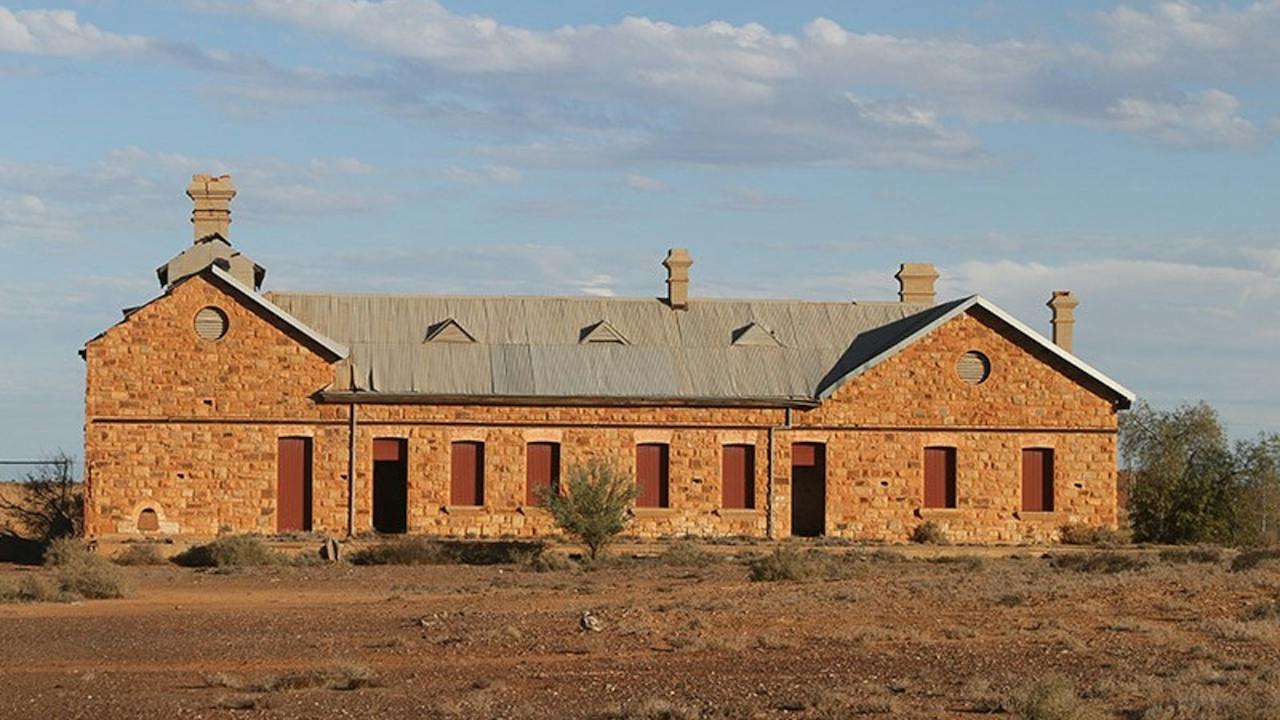
The Great Fingall Mine Office is now over a hundred years old and with the harsh seasons of the outback the building has received some serious damage. The Shire of Cue has erected a fence around the building to restrict access. So while you welcome to take a look please do not go into the building.
Shannon National Park is on the South Western Highway, 53km south of Manjimup. Until 1968 Shannon was the site of WA's biggest timber mill, and plants including deciduous trees from the northern hemisphere are reminders of the old settlement.
The drive starts from the northern side of the South West Highway and finishes at the Shannon Campground, south of the highway.
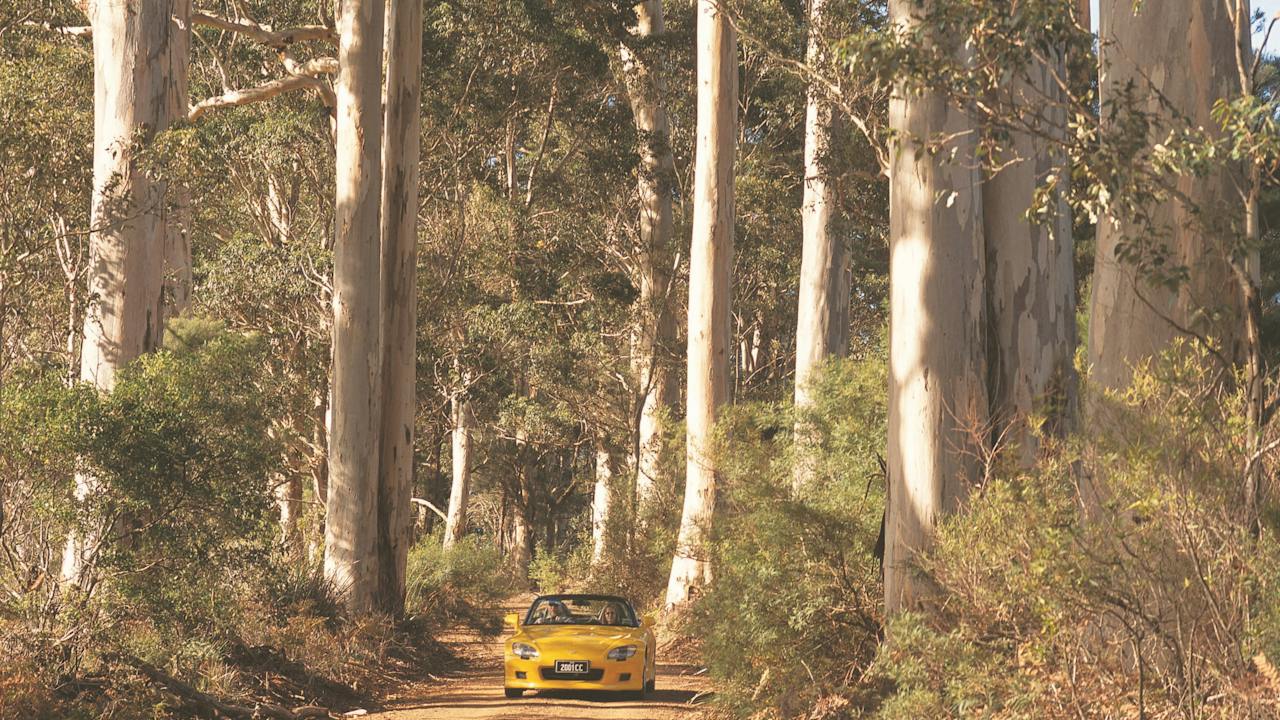
The 50km Great Forest Trees Drive is a one-way loop, split by the highway. Start at the park day-use area on the north of the highway. The first stop along the drive is the picturesque Shannon Dam which was built to supply water to the Shannon Mill and town.
The other stops along the northern loop of the drive are Which tree is that, Melaleucas and Curtin Tank.
Once you cross the South West Highway, the southern loop of the drive will take you past Snake Gully, Big Tree Grove and Inferno Hill before finishing at the Shannon Campground.
You can learn more about the great forest trees of Shannon National Park from the interpretive signage along the way.
The Great Inland Way is a highway tourist route that travels inland from Sydney to Cairns and Cooktown.
It is a 2,956 kilometre journey along fully sealed roads, and some of the highlights include: Sydney, Bathurst, Orange, Dubbo, Gilgandra, Coonamble, Walgett and Lightning Ridge in NSW, and Hebel, Dirranbandi, St George, Surat, Roma, Injune, Emerald, Charters Towers, Atherton, Cairns and Cooktown in Queensland.
The Great Keppel Island Seaway Trail runs for approximately 300 metres, starting on the lawns overlooking ‘The Spit’ at Fisherman’s Beach, and follows a boardwalk meandering throughout Great Keppel Island Hideaway’s grounds.
It features 15 beautifully sculptured information panels, each sharing the stories of our precious marine life. Each sculpture is in a local marine shape - starfish, dugong, hard and soft coral, jellyfish, turtles and hatchlings, butterflyfish, coral cod, giant clam, shark, whale, dolphin, seahorse, and a snorkeler over a reef. The colourful panels highlight marine facts, values, and conservation.
Great Lakes Cinema has three screens an eclectic mix of the latest blockbuster films mixed in with a varied and exciting selection of specialized and arthouse titles.
Family-friendly with regular children's movies screened during school holidays. City movies at country prices.
Group bookings or hire of a theatre for a special movie screening is also welcome.
The Great Lakes Historical and Maritime Museum is located in Tuncurry. A local community social history museum engaged in collecting, researching, preserving, exhibiting artifacts and documentary material relating to the area.
Land was acquired in Capel Street Tuncurry and the old National Bank building in Forster was transported across the bridge in two pieces to become the museum, housing a growing collection of artifacts.
Over the years the Great Lakes Museum has expanded to include the original Tuncurry school building, Cheers Cottage, Police lockup, a working windmill as well as other outdoor displays.
Great Lakes Surf School provides the opportunity to learn to surf or to improve your surf skills and at the same time, to have fun and challenge yourself all while enjoying the great, quality surf offered in the Great Lakes.
They operate between Seals Rocks and Forster depending on the conditions and offer beginners lessons right through to advance ones. We also offer Body board and Mal surfing lessons.
Private and Group lessons are available and what better way to bond than everyone trying the spiritual and satisfying surfing experience.
To access this beach a ferry service runs from Palm Beach Wharf or by boat. It can also be reached on foot from West Head via some walks.
Great Mackerel Beach is the longest West Head Beach at 640 metres long.
There is no Lifeguards on duty
General Conditions:
Good safe swimming and fishing.
Best for family picnics.
Also known as Benowie walking track, this beautiful bushland walk through Berowra Valley National Park follows Berowra Creek for 25 kilometres of the iconic Great North walk between Sydney and Newcastle.
This section of the walk, from Pennant Hills to Berowra Waters, takes about two to three days to walk, with several places to camp along the way. If you’d prefer a shorter walk, you can always break the trail up into more manageable sections, particularly if you're taking the kids out for the day.
Join the walk from Pennant Hills, Westleigh, Hornsby, Galston Gorge picnic area or Berowra Waters, and head out into the bush for an adventure. For a longer walk extend your trip south along the Great North walk - Lane Cove National Park or link up with the Great North walk – Ku-ring-gai Chase National Park and continue north towards Newcastle.
Built in 1988 to celebrate Australia’s bicentennial year, Great North walk is a 250 kilometre bushwalking track linking the Sydney CBD with the Hunter Valley and Newcastle. The track passes through a number of national parks, including Brisbane Water National Park (for 34 kilometre), and is undoubtedly one of the best walks in NSW.
The walk offers something for everyone. If you’re walking with children you can choose an easy section of the track, and if you’re feeling energetic you can choose an overnight walk, or a more challenging section to hike. Whichever way you choose to walk this iconic track, you will definitely enjoy spectacular views, a scenic landscape and the sounds of native birds and wildlife.
Ever dreamt of completing the legendary Great North walk? Why not try a taster, without wearing out your walking boots? Great North walk - Ku-ring-gai Chase National Park, is a challenging section that winds through dense bushland within the park. Starting from Cowan Train Station, it’s not just the scenic wilderness views that will take your breath away. It’s definitely a track for the experienced bushwalker.
Descending steeply, you’ll hardly believe you’re only an hour from the centre of Sydney. The track leads past the ruins of Rhodes boatshed and on to Jerusalem Bay. Stop here for a break and take in the spectacular views over Cowan Water before tacking the hard climb to Brooklyn. You might be in need of a beverage or two at the pub before catching the train at Hawkesbury River Train Station.
Continue your Great North walk exploration by linking with Great North walk – Berowra Valley National Park towards Sydney or continue north along Great North walk - Brisbane Water National Park.
The Great Ocean Drive is a 38-kilometre circular loop drive taking in some of the most beautiful coastal scenery Australia has to offer. The sheltered, pristine beaches with their crystal clear waters and snow-white sands, including the popular Twilight Beach, are ideal for family swimming, surfing, windsurfing and fishing.
Also included in the drive are the Rotary lookout, the Western Power wind farms, Observatory Point and the unique Pink Lake. A walking and cycling trail from the Rotary lookout to Salmon Beach is a pleasant way to see the sights.
Please keep in mind to take care whenever on the coastal rocks or swimming, your enjoyment and safety is our concern, but your responsibility.
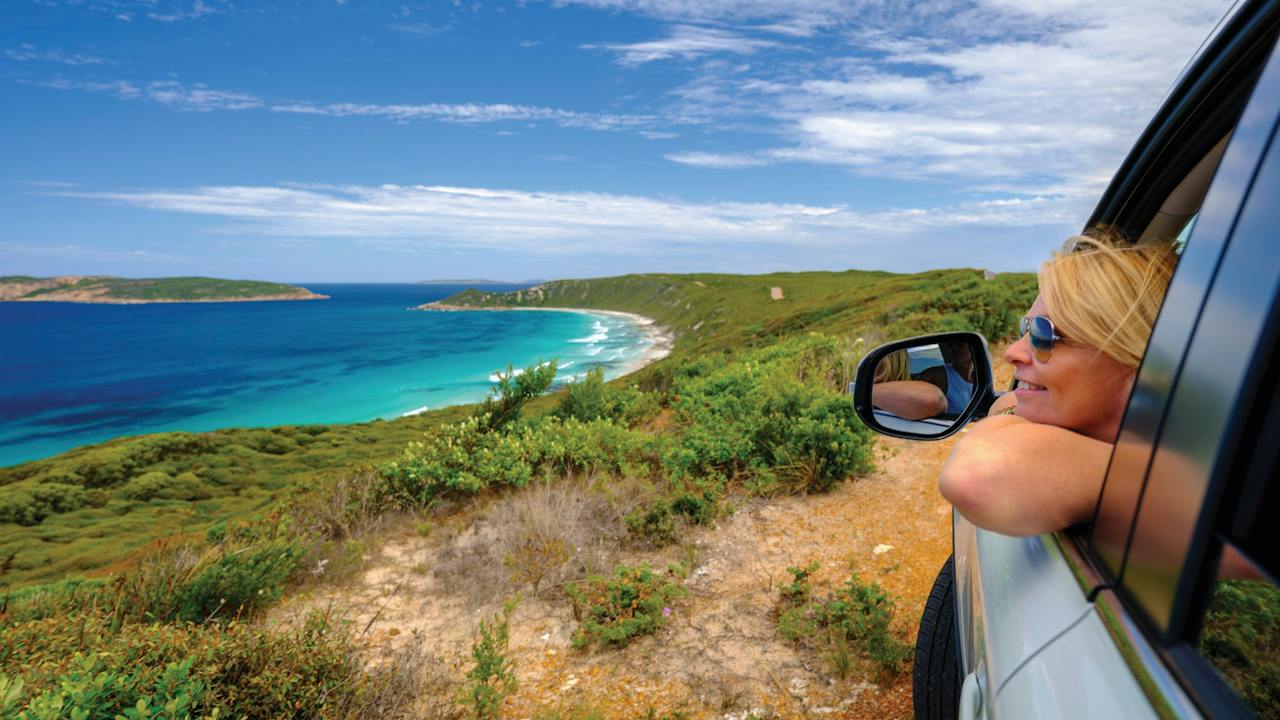
The Great Ocean Pathway meanders around the spectacular coastline of Esperance, on the south coast of Western Australia, with its dazzling white beaches and unbelievable aqua water.
This Top Trail runs 12 kilometres from Esperance Bay to Twilight Beach, the bitumen track, used by walkers, runners, cyclists and prams, follows the bay through town, passing cafes, a fishing jetty and a wharf.
The transition from the bay to the oceanside requires a climb up to the hill to Twilight Beach Road. From here, the trail follows the road but is removed from it as the coastal bush insulates the trail until arriving at the car park of one of many beautiful beaches.
The trail currently finishes at Twilight Beach. It can be accessed from a number of car parks along its length to provide a variety of scenery and distance options.
Highlights include Blue Haven, where granite outcrops jut out into the azure sea to create the lovely bays, Tanker jetty, where anglers fish and Sammy the Seal looks for fish heads and the Taylor Street Café housed in the old hospital building.
Whether cycling, walking or driving, this circuit is a classic and a must when in the area.
Experience the Great Ocean Road Story: Building Australia's Most Famous Road. This purpose built permanent exhibition in the newly constructed Great Ocean Road Heritage Centre is located in the Lorne Visitor Centre.
The Great Ocean Road is a memorial to the lost lives and sacrifices of the Australian diggers in world war one. More than 3000 returned soldiers built the road from 1919 onwards, conquering steep cliffs, rugged terrain and dangerous weather so that the isolated towns along Victoria's stunning western coastline could be joined together.
Since its official opening in 1932, the Great Ocean Road has breathed life into the local communities along it and become a mecca for tourists. It is a engineering marvel. Come and experience the Great Ocean Road Story.
Located on 39 acres of picturesque grounds just 15 minutes from the iconic Twelve Apostles, Great Ocean Road Wildlife Park is a privately owned wildlife sanctuary offering memorable encounters with Australia's unique native wildlife.
Visitors can hand-feed friendly kangaroos, wallabies, and emus in the interactive petting area, enjoy an up-close koala encounter, and meet wombats along with a variety of other native species. Set within spacious, free-range surrounds, the park provides the opportunity to observe wildlife while learning about conservation, native habitats, and Australia's unique biodiversity.
A highlight of the park is the hands-on dingo encounter, where knowledgeable staff share insights into the behaviour, ecology, and importance of Australia's native dingo. Guests may also have the opportunity to meet one of the park's resident dingo pairs (subject to availability and conditions) while gaining a greater appreciation of the species' role as an apex predator.
Complete your visit at the Clean Cravings Eatery, serving a selection of organic vegetarian and vegan meals, freshly prepared desserts, light snacks, specialty coffees, and teas.
The park is also home to the Dingo Awareness Centre, dedicated to increasing public understanding of these iconic yet often misunderstood animals. Through interactive experiences and expert interpretation, visitors can discover the important role dingoes play in maintaining healthy ecosystems and the value of conserving one of Australia's most remarkable native species
The Great Ocean Walk is a one-way, long-distance walk extending just over 110 kilometres. Starting in Apollo Bay, the trail ventures through the Great Otway National Park and Port Campbell National Park, concluding at the famous Twelve Apostles. This once-in-a-lifetime hike will take you eight days in total, or you can sample sections on a range of single day or multi-day hikes.
The Great Ocean Walk shadows the iconic Great Ocean Road. Every day is different as you weave through tall forests, coastal heathlands and beside rocky shore platforms. Cross creeks, rivers, pass above wild-rocky shores and deserted beaches with panoramic views and windswept cliff-tops.
Walkers can stay at one of the dedicated campsites or find off-walk accommodation nearby with the comfort of hot showers and soft beds. There are seven small hike-in campsites, which must be booked prior to walking. Licensed Tour Operators are available to provide pick up and drop off services. Walkers must consider their noise and environmental impacts and please take all your rubbish with you.
Before your visit, please check the relevant park page on the Parks Victoria website for updated changes of conditions and familiarise yourself with important bushfire safety information to ensure your experience is safe and enjoyable. For information about fires, Fire Danger Ratings and Total Fire Bans visit the Vic Emergency website.
The Great Otway National Park stretches from Torquay through to Princetown and up through the Otways hinterland towards Colac. The park features rugged coastlines, sandy beaches, rock platforms and windswept heathland and beautiful spring wildflowers. In the north, the park features tall forests, ferny gullies, magnificent waterfalls and tranquil lakes.
The Great Ocean Walk, stretches 91 kilometres from the idyllic resort town of Apollo Bay to Glenample Homestead (adjacent to the 12 Apostles). It passes through the National Park and overlooks the Marine National Park.
Experience and enjoy the natural environment on horse back or on a mountain bike. A permit is required for horse riders to ride in the National Park and Parks Victoria staff can assist you with this. The formed roads and tracks provide ideal trails for these active endeavours.
Picnic opportunities abound, with lovely settings at many of the waterfalls as well as Blanket Leaf, Sheoak, Distillery Creek, Moggs Creek, Paradise, Melba Gully, Shelly Beach, Triplet Falls and Blanket Bay to name a few.
There are excellent camping opportunities throughout the Parks.
Major angling species; Rock lobster, flathead, couta and striped trumpeter, albacore, southern bluefin tuna, Australian Salmon, and bream.
Flathead is the prime target in Great Oyster Bay as are seasonal squid. Large wrasse are also easily caught, but rarely kept as food. Whiting is targeted by a few anglers, but these seem to be in isolated pockets.
Shore and boat fishing is popular in the Swan River, just north of Swansea - especially for bream. One kilogram specimens are common and 2 kg fish are regularly taken. There are several easily reached access points on the Swan River - mostly along the Dolphin Sands road. Crabs, prawns, pretty fish and nippers all make good bait. The Swan River also has good fishing in the lower reaches for large garfish and leatherjacket. While a boat can be useful here it is not essential for success.
On the southern side of Dolphin Sands is Great Oyster Bay. Nine Mile Beach and the many other beaches and rocky outcrops that flank the northern and western sides of Great Oyster Bay are great and popular fisheries.
See the Nepean River from both sides on the Great River Walk. Covering about 8km in total (the bulk of which is the 6.4km Bridge to Bridge loop), the walk offers stunning views of the river and the Blue Mountains.
The going is easy – suitable for walkers, cyclists and even scooter riders – and there are plenty of viewing platforms, picnic spots, playgrounds and cafés along the way. If you like, you can break up the walk with an artistic interlude and a bite to eat at the Penrith Regional Gallery.
You'll cross the river twice – once over the pedestrian Yandhai Nepean Crossing – and you'll get to see lots of boats and birds and other wildlife as you sample a slice of life along the river.
The walk is accessible from both Penrith and Emu Plains railway stations.
The walk is part of a grand plan to develop a Great River Walk that will link the Hawkesbury-Nepean river system's headwaters at Lake Bathurst, near Goulburn, with the mouth of the river at Broken Bay, 570km away.
In 2009, the Great Sandy region was awarded Biosphere Reserve status by UNESCO, the global organisation that also awards World Heritage Listings. The decision gives world-wide recognition to the Fraser Coast region, neighbouring Gympie area and the Bundaberg coastline and puts it in the same class as the Galapagos Islands, the Central Amazon, the Everglades and Uluru.
The concept of the UNESCO's Man and Biospheres program is to protect natural resources while using them at the same time - or balancing conservation and sustainable development.
What makes the Great Sandy Biosphere so special?
Major breeding site for endangered marine turtles, oldest and largest unconsolidated sand mass in the world, 7558 recorded species of fauna and flora, declared Dugong sanctuary, RAMSAR wetlands - internationally declared feeding ground for migratory birds, critical habitat for rare and endangered species, best observable ancient dune chronological sequencing, world's largest and highest perched dune lakes, whale sanctuary and major transitory point for humpback whales on their annual southern migration.
Discover the wild beauty of the Gympie Region in the Cooloola section of Great Sandy National Park, where coastal wonders meet ancient landscapes.
Stretching from Rainbow Beach to Noosa North Shore, the Cooloola area offers a diverse mix of towering sand dunes, coloured cliffs, lush rainforest, freshwater lakes, and unspoiled beaches. Visitors can explore on foot via the Cooloola Great Walk, paddle through the pristine Noosa Everglades, four-wheel drive along the sandy stretch of Teewah Beach, or camp under the stars at one of many nature-based campgrounds. From the windswept beauty of Double Island Point to the tranquil waters of Poona Lake, the Gympie Region's slice of Great Sandy National Park delivers unforgettable natural experiences.
Plan your Cooloola adventure and immerse yourself in one of Queensland's most extraordinary coastal landscapes.
Ours is an ancient land. A continent that is powerful, interconnected, life-giving and ever-changing. It is a land crisscrossed by grand songlines, with an incredible history and a boundless future.
There's a place where you can take your time to hear these stories; to listen to the land. There you'll discover the most wonderful tales of power, connection, life and change.
And when you do, you can't help but be left in awe.
Come Listen to the Land at the Great Southern Land Gallery.
Due to extensive fire damage in January 2026 the Yea to Alexandra and Bonnie Doon sections of the rail trail are closed.
The Great Victorian Rail Trail is Victoria's longest continuous rail trail and also features the longest rail trail tunnel at Cheviot. The trail spans 134 kilometres from Tallarook, through Yea to Mansfield.
The trail travels through beautiful countryside following the heritage classified Goulburn River at Tallarook and passes through the Trawool Valley, classified by the National Trust for its scenic beauty.
You can take a ride through the historic 201 metre long Cheviot Tunnel and explore the old Alexandra Station with its Timber Tramway and Museum. The Great Victorian Rail Trail boasts almost 50 water crossings as it follows the Goulburn River and traverses a glimmering Lake Eildon on its way to the Victorian High Country.
Distance: 40 kilometres one way
Duration: Two days
Start: Mt Baw Baw Alpine Resort
Finish: Walhalla
Grade: Level Four - Bushwalking experience and a good level of fitness required. Tracks may be long, rough and very steep. Directional signage may be limited.
Take a peek at the first 40 kilometres of the 680 kilometre Australian Alps Walking Track on a fully guided and catered walk. The hike lasts for two days starting at Mt Baw Baw. Walk though stunning snow gums, tall mountain ash forest, wild rivers, ancient myrtle beech and spectacular fern glades to finish at historic Walhalla.