Located south of Cairns, the Frankland Islands don’t see as many tourists as other destinations off this busy holiday city, making it the perfect destination for the snorkeler and less experienced diver. Surrounding the Frankland Islands are rocky reefs with great coverage of hard and soft coral in depths up to 12 metres!
The most popular site to snorkel is Normanby Reef, and walking straight off the beach snorkelers can explore pretty coral gardens teaming with reef fish. For divers, the most popular site is Round Island, with the rocky reefs here cut by ledges and caves. Exploring this site, divers will see nudibranchs, batfish, lionfish, coral cod, moray eels and the occasional turtle.
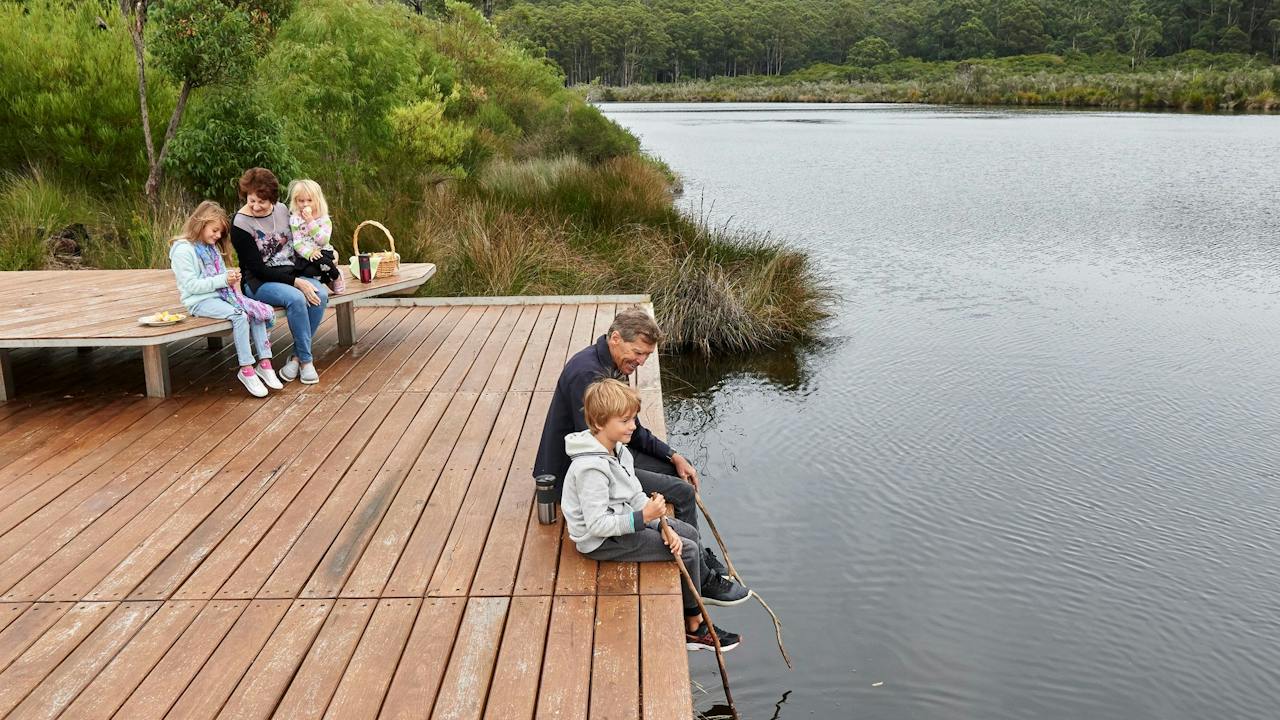
Go fishing, canoeing and kayaking at Frankland River near Walpole on the south coast.
At around 400 kilometres the Frankland is the longest river that flows into the Walpole-Nornalup Inlet. This estuary permanently opens to the sea and is a haven for water birds and other wildlife.
The Frankland River passes through picturesque farmland and virgin bush.
It’s a popular spot for water sports – take to the river in a canoe or kayak and be surrounded by nature. Fishing in the Frankland River is also top rate.
Walpole is about a 5.5-hour drive south of Perth.
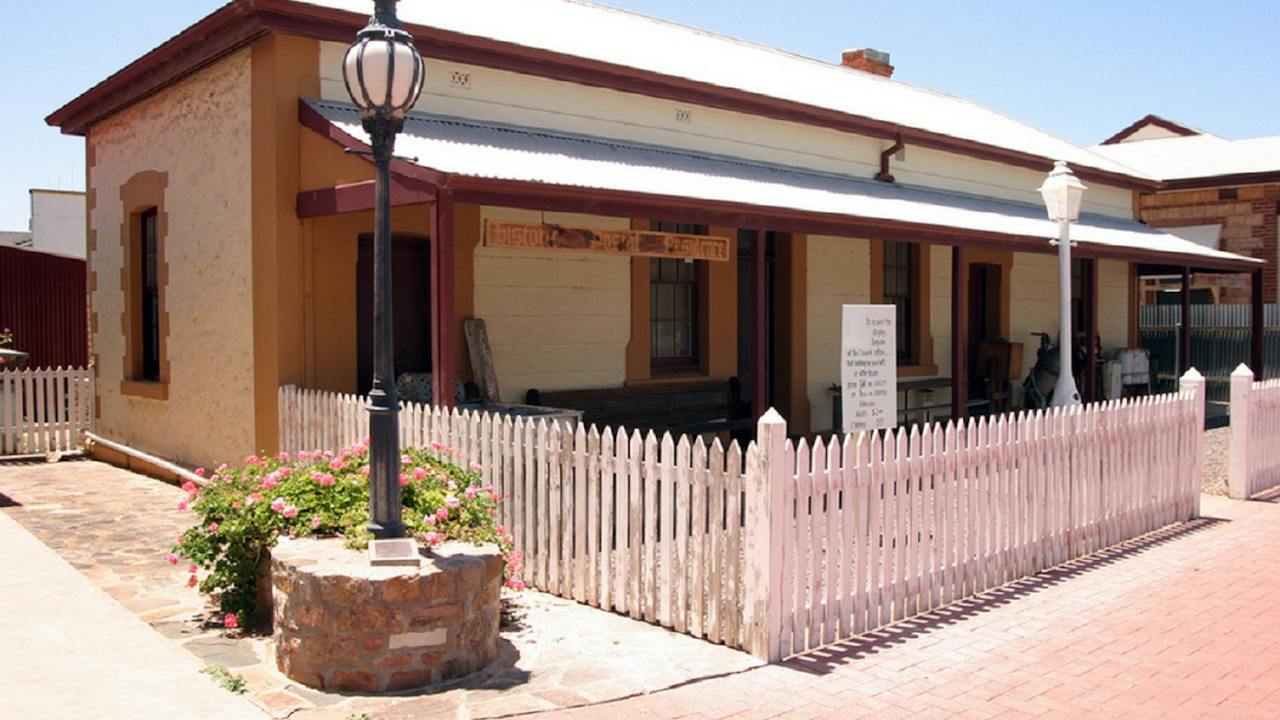
The Franklin Harbour Museum is run by volunteers.
The Museum is located next door to the Council Chambers and Post Office.
Friendly Staff maintain a massive array of display items and a large amount of historical information from the area.
Please be aware that this museum is run by volunteers and hours may vary.
Built in 1838 by former convict brewer and publican, Britton Jones, in 1842 the house became one of the colony’s leading private schools, run by W. K. Hawkes. The house’s facade boasts an Ionic portico while the back has a charming Tasmanian vernacular flavour.
The interiors are furnished to reflect 19th century life in Tasmania. The National Trust in Tasmania was founded in 1960 to preserve and furnish this house, then known as The Hollies.
The Tearooms are open during house hours for light meals and refreshments.
In the garden, relax under the shade of a 180-year-old oak tree, wander through the flower beds and Victorian kitchen garden and send the children in search of Patrick’s Pails. Patrick Lambert was a 19th century gardener at The Hollies.
The Metro Bus services, numbers 40 and 50 from the City to Franklin village, stop outside the House.
Nearby and also accessible is St James Church which was built in 1845 and has many associations with the House; Launceston CBD (including Queen Victoria Museum and Art Gallery); Jospeh Chromy Wines; Tamar Valley Wine Route and Tamar River Cruises; Evandale Village and Clarendon.
Franklin Nature Trail is one of Tasmania's 60 Great Short Walks. The 60 Great Short Walks offer the best of Tasmania's day walking opportunities.
25 minutes return, 1km. Grade 1. May be suitable for wheelchair users who have someone to assist them.
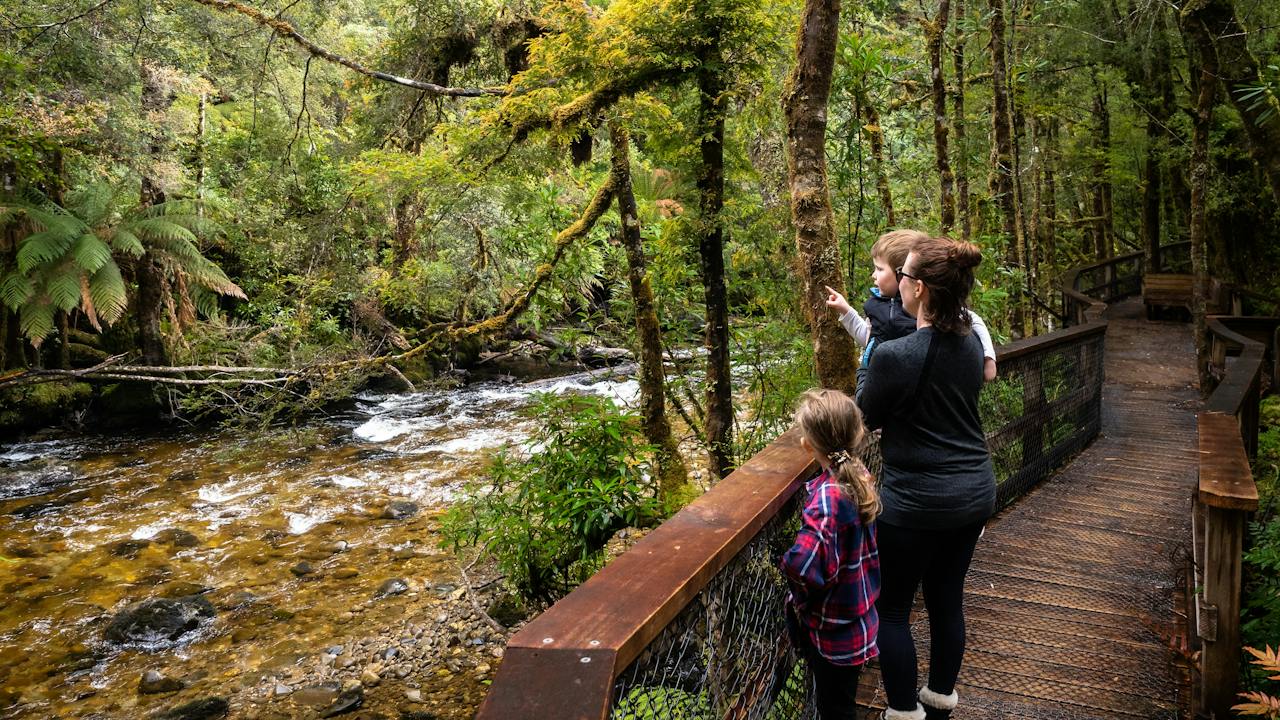
This short and easy walk, the perfect rest stop when travelling between east and west, has a big story to tell. A part-boardwalk track takes you through beautiful mossy rainforest. In late summer you may catch the superbly fragrant scent of leatherwood flowers. The climax of the short loop track is when you come to the banks of the Franklin River. This wild river was once famous for the controversial dam that would have drowned much of its course. It was saved and is now a tranquil place to take in the beauty of the wild. Along the walk you will find interpretation signs that detail some of the many values of this magnificent region.
Please refer to the Parks and Wildlife Service Tasmania website (parks.tas.gov.au) for up-to-date information about this walk, alerts, closures, safe walking guidelines, leave no trace principles and National Park entry fees where applicable
In Tasmania's west, the rivers are wild, the landscape is rugged and the mountain peaks are dramatic and imposing. Pristine fresh waters stained by tannins from surrounding vegetation weave their way through breathtaking gorges.
Water is ever-present in the Franklin-Gordon Wild Rivers National Park – trickling down from mountain peaks, running into creeks that cascade and twist through the rocks, combining to make the powerful Franklin and Gordon rivers.
Franklin-Gordon Wild Rivers National Park lies in the heart of the Tasmanian Wilderness World Heritage Area, just an hour from Strahan. Along the Lyell Highway, short walks provide easy access to view the famous Franklin River, while at Strahan, commercial cruises provide access to the magnificent Macquarie Harbour and Gordon River.
Please visit the Parks and Wildlife Service Tasmania website for further information about this national park including how to get there and things to do. Refer to the 'know before you go' webpage for more important information about alerts, safety in parks and entry fees.
Frankston Arts Centre (FAC) has been at the heart of the region's cultural life since 1995, inspiring creativity, connection and community through the arts.
As one of Australia's largest outer metropolitan arts and entertainment venues, FAC is home to an 800-seat theatre, a 199-seat black box theatre, two exhibition gallery spaces, a creative arts hub and a versatile function and events centre.
FAC is committed to accessibility and inclusion, ensuring arts experiences are available to all. Through initiatives such as live theatre captioning, ticket subsidy programs, educational pathways and specialised workshops, the Centre continues to foster meaningful participation and engagement across the community.
Each year, FAC welcomes hundreds of thousands of visitors and supports a diverse range of users, including local schools, theatre companies, artists, businesses, community groups and organisations. A subsidised community hire rate is available to eligible community hirers, helping to strengthen local creative and cultural outcomes.
The centre presents a dynamic program spanning theatre, music, comedy, visual arts and contemporary creative practice, featuring local talent alongside acclaimed national and international artists.
Complementing its artistic program is a collection of flexible meeting, conference and event spaces, making Frankston Arts Centre a destination for both cultural experiences and memorable events. Whether hosting a performance, conference, gala dinner, exhibition, business meeting or community celebration, FAC offers a unique environment where creativity and connection come together.
Frankston Beach is at the southern end of a stretch of beach that runs for nine kilometres almost due north to the Patterson River mouth at Carrum. The Frankston section is 2.5 kilometres long and begins at the Olivers Hill Boat Ramp and continues north past the 220 metres long Frankston Pier, Kananook Creek mouth and a couple of kilometres towards the adjoining Seaford beach to the north. A delightful boardwalk meanders along the foreshore.
The beach averages 50 metres in width, with a moderate to steep shoreline. Just off the shoreline are three sand bars. The three bars are clearly visible from the pier, though waves will only break on the outer two, when they are greater than 1 metre. Frankston Beach is also the home of the lifesaving club, founded in 1924, and is adjacent to the city of Frankston with all facilities. Parking is available at the boat ramp, pier and lifesaving club.
The 220 metre Frankston Pier is a local landmark of the suburb. Originally built in 1857, it has been both extended as well as repaired a number of times over the years. There is an artificial reef within casting distance of the pier that is home to a wide variety of fish.
Near Frankston Pier is the arched pedestrian bridge over the mouth of Kananook Creek and a boardwalk that meanders along the beach.
Public boat berthing is available on Frankston Pier for up to 48 hours at a time (vessels should be attended). Other restrictions are detailed on Parks Victoria signs.
Located on the outskirts of Maryborough, the Fraser Coast Wildlife Sanctuary offers fun for all the family and a great day out.
A walk through the sanctuary will give you the opportunity to get up close and experience genuine Australian fauna such as kangaroos, wallabies, emus, turtles, native birds. Check out the reptiles and dare to hold a python. Meet and learn all about Australia's largest land predator, the Dingo.
Home to over 200 birds, kangaroos and reptiles, the sanctuary is a registered charity and not-for-profit organisation, managed and run entirely by volunteers with all monies raised go directly back into the care and welfare of the animals.
All ages are welcome and discounts are available for group bookings. The sanctuary is wheelchair friendly.
Frazers Reef picnic area is in Bundjalung National Park, near the Iluka Bluff lookout. Escape to this beautiful oceanside location for a picnic or enjoy a surfing, wind surfing and kitesurfing session.
Frazers Reef picnic area makes it easy to enjoy this pristine North Coast surf location. Park then set up at one of the 2 picnic tables, or spread out the grassy area for a tasty feast. With toilets nearby, it's easy for the whole family to linger and relax.
Fred Hollows received a full state funeral when he died in February 1993; however, the grave of this New Zealand-born ophthalmologist is, in keeping with his wishes ‘under a Coolabah tree at Bourke.’
It may seem surprising to many that such a dignified and nationally loved identity would choose such a final resting place, but for those who knew Fred (and there are still many in Bourke who did), it is entirely appropriate.
Fred devoted his life to improving the vision of thousands of people, and his egalitarian principles meant that he couldn’t ignore the appalling health conditions of Aboriginal people in the 1970s. These principles took him deep into the heart of the country, where he improved and restored the vision for thousands of Aboriginal people, pioneering techniques that he would alter, standardise, and expand to deliver the same outcomes to impoverished people of the world.
Fred’s work continues to this day through the Fred Hollows Foundation, a true legacy of his remarkable life. In addition, Bourke is proud to host and maintain a small memorial to Fred at his gravesite, a pilgrimage for some, a place of reflection for others, and a small testimony to the man who made such a difference to so many.
Fred Jacoby Park is a great spot for picnics, watching wildlife, photography or just relaxing before or after heading off on one of the numerous walk trails within the Beelu National Park. Fully-equipped with picnic facilities, free barbecues and a children's playground, you will enjoy communing with nature in this beautifully landscaped park.
The park features a range of trees from many parts of the world including one of the biggest English Oak Trees in Western Australia. A boardwalk enables visitors to get in under the canopy of this 140-year-old heritage-listed tree, whilst protecting the tree roots from compaction.
Beelu National Park has over 3,000 hectares of park land abundant with flora and fauna that is native to Western Australia. See possums, echidnas, kangaroos and wallabies as well as Jarrah trees, Marri trees and Banksias.
Mundaring is located less than an hour's drive from Perth via Kalamunda or Midland.
Tourists are advised to check for alerts and road/park closures before commencing their travel on www.emergency.wa.gov.au and https://alerts.dbca.wa.gov.au
Situated at Hawker Motors is a museum, which Fred Teague built up over the years with relics from early settlers. There is a fine display of gemstones, minerals, fossils, photographs, antique bottles and memorabilia.
For 60 years or so, Fred had been an inveterate collector. It all began with some mineral specimens, which he discovered in the Flinders Ranges. The compact museum, which is open to visitors, is packed with geological and mineral specimens ranging from beryl and bornite to exquisite scholzite crystals from Reaphook Hill.
There is a wide range of regional items from a pedal radio to a camel's shoe. A number of pieces come from the now-deserted town of Waukaringa.
Frederickton Golf Club features a well-groomed, picturesque nine-hole course that provides plenty of challenges for the keen golfer and the weekend hacker alike.
The club is known for its friendly, relaxed atmosphere and hospitality, with the club offering a bistro every Friday night, and the kitchen opens for lunch on Saturday. They also cater for functions. As well as the bistro they also offer a barbecue area which can be used by social groups, you bring the meat and they can provide the rest. Out on the course, the golfers are well catered for with six carts for hire at great rates and green fee specials on Sunday when it will only cost you AUD10 for a round.
Free-Rain Theatre Company was founded in 1995 by Anne Somes who is the Artistic Director and Producer.
Over the last 30 years, Anne has staged over 100 productions including plays, musicals, cabaret, new Australian works, children's theatre and youth productions. From these productions, individual artists and the company have received over 100 awards, including seven from Canberra Critics Circle.
Freedom Park is in the historical heart of Hervey Bay.
The Pialba War Memorial, unveiled in 1921 to commemorate the men from the district who served in World War I, forms the centre of a memorial complex that includes the former Pialba railway station building, Shire Council hall and a dramatic life-size statue of an Australian light horseman from the famous charge at the Battle of Beersheba in 1917.
The war memorial at Freedom Park was designed by the Fraser Coast’s most famous architect, P.O.E. Hawkes
The Park commemorates the Freedom Rides to Walgett of 1965. It identifies significant events and local Aboriginal people who had a key role in the protests against segregation in Walgett on 15 February 1965.
The park is located at an old bank site with a “vault”. The vault itself has artwork installed depicting the ‘Freedom Riders’ and also commemorates local community members, families and the students who took part in those events. The artwork will be linked with QR codes to a website that records the history in more detail.
It is a quiet space to sit and reflect and includes walkways, sandstone seating, plaques and plants. The development of the park is in stages, with planning for a covered walkway, gift shop, café and additional native plants.
Step back in time at Freeling's ANZAC Park, a vibrant hub where history whispers and nature soothes. Conveniently located near the main street, the park offers a unique blend of remembrance, relaxation, and a fascinating glimpse into Freeling's past.
The ANZAC Legacy Enshrined: The park's centrepiece is a poignant memorial dedicated to the ANZAC soldiers. Their sacrifice is never forgotten.
From Fields to Rails: Imagine horse-drawn carts carrying wheat past the park, a bustling service centre for Freeling's rich agricultural heritage. Traces of the town's railway history linger, hinting at the crucial role it played in transporting goods.
McLeod's Daughters Come Alive: Fans of the iconic Australian drama will be thrilled! Just a short distance away, you'll find the original bathtub nestled beneath the iconic windmill, featured in the show. Relive your favourite moments and snap a photo!
ANZAC Park is a unique treasure in Freeling. It's a place to honor the past, unwind in a beautiful setting, and connect with the community spirit. Seating, public toilets with disabled access and car/bus parking are available with cafes and hotels for refreshments within walking distance.
Come discover its stories and embark on your own historical adventure!
Immerse Yourself in Nature: Freeling Wetlands Walk
Unwind and reconnect with nature on the Freeling Wetlands Walk, a captivating journey through the heart of Light Country. Located in Freeling, South Australia, this walk is perfect for nature enthusiasts of all ages and abilities.
What to Expect:
A diverse ecosystem: Explore a vibrant wetland teeming with birdlife, local flora, and stunning natural beauty.
Easy access: The well-maintained walking track offers a leisurely route suitable for families and casual walkers.
Scenic views: Keep your camera handy as you capture breathtaking panoramic views of the wetlands and surrounding landscapes.
A peaceful escape: Immerse yourself in the tranquility of nature, perfect for a break from the hustle and bustle.
The Freeling Wetlands Walk is a must-do for anyone seeking a refreshing and rejuvenating experience in Light Country.
Housed in a gothic heritage building in Fremantle’s east end, Fremantle Arts Centre (FAC) is the City of Fremantle’s premier arts service and one of the leading arts organisations in Australia.
FAC presents contemporary visual art exhibitions and a varied program of concerts and events from local, national and international artists. With a wide range of art courses for adults and kids, an Artist in Residence program, FOUND Shop which sells the largest range of Western Australian-designed wares, and a quaint café and beautiful leafy grounds, there are always plenty of reasons to visit.
FAC’s commitment to supporting local artists is at the heart of all of the centre’s programming and activities.
A fully operational fishing port since the early 1900s, today the Fremantle Fishing Boat Harbour is also abuzz with locals and visitors sampling a fresh serve of its famous fish and chips and locally brewed beers.
The harbour is just a short walk from the centre of Fremantle and a 30-minute drive or train ride from Perth city centre, making it a popular weekend haunt by day and night.
Since its early days as a single jetty and fish market, the harbour has enjoyed a long and eventful history and underwent a major facelift in preparation for staging America's Cup yacht race defence off the coast of Fremantle in 1987.
Today, against a backdrop of lively boardwalk restaurants, bars, cafes and nightclubs, you can casually watch traditional maritime activities unfold before your eyes. See the fish being hauled in as you tuck into the catch of the day, or stroll over to the fresh seafood market to select ingredients for your own Indian Ocean feast.
Built in 1897, Fremantle Markets is one of the port city’s most significant landmarks and has rightfully earned itself a reputation as one of the best destinations in Fremantle for locals and tourists alike, as well as a leading source of independent wares and produce.
Fremantle Markets houses a family of stallholders from encouraging young local talent such as designers and artists, launching the careers of budding musicians including John Butler to creating a hub of events for visitors.
Housed in an historic, heritage-listed building, its unique bohemian atmosphere has made it the best and most well-known market in Western Australia.
Fremantle Prison is one of Western Australia's premier cultural heritage sites and tourist attractions. It is the state's only world heritage-listed building and the only world heritage-listed site in the Perth metropolitan region.
Built by convicts in the 1850s, Fremantle Prison was used as a place of incarceration for 136 years before being decommissioned as an operating maximum security gaol in 1991.
Visitors can "step inside and do time" with Fremantle Prison's experienced guides on a range of fascinating tours. "Convict Prison" "Behind Bars" and "True Crime" tours highlight convict and prison life, daring escapes and colourful characters in tales laced with prison humour. Visitors with a spirit for adventure can descend 20 meters below the prison to explore a one kilometre labyrinth of tunnels by foot and by boat on a "Tunnels Tour" or delve into the darker side of the Prison's history at night on a spooky "Torchlight Tour".
In addition to its guided tours, Fremantle Prison also features exhibitions in the Prison Gallery, interpretive Visitor Centre, an onsite cafe and an award-winning gift shop.