Enjoy a self-drive tour or walk through the Burra Mine Site, a Nationally Listed Heritage Area. The open-air museum contains remains of the mining operations, recreating the exciting atmosphere of the monster mine.
Entrance to the Burra Mine Site is included in the Burra Heritage Passport, available from the Burra Goyder Visitor Information Centre, 2 Market Square, Burra.
Copper ore was discovered at Burra in 1845 and by 1850 Burra was the largest metal mine in Australia, employing 1,000 men and boys.
Whilst you are in the heritage-listed historic township of Burra, pop in and browse this family-owned store nestled in the heart of Market Square, Burra.
A quaint boutique store full of souvenirs, gifts, clothing, toys, magazines, cards, stationery, gift bags and gif wrap, and more.
Their store is also the local Newsagent.
Descend into 600 metres of atmospheric underground cellars beneath the historic Unicorn Brewery. Once used for beer storage and now famous as a filming location for Wolf Creek 2, the cellars are explored at your own pace with an interactive digital guide. Actor John Jarratt leads the experience, sharing stories of the brewery's history and revealing behind-the-scenes insights from the movie filmed on site.
Dating back to 1873, the brewery was an impressive operation, complete with a malting tower, cooper's workshop, steam engine, and the manager's residence. While the brewery closed in 1902 and much of it was dismantled by 1911, the underground cellars remain—a testament to the ingenuity of the past.
Access to the Unicorn Brewery Cellars is included with the Burra Heritage Passport, available from the Burra and Goyder Visitor Information Centre at 2 Market Square. With your passport key, you can explore the cellars anytime during daylight hours.
Perfect your moves at the Burra Skate Park, conveniently located on Market Street within easy walking distance of the Market Square shopping precinct.
Redeveloped in 2021, the Burra Skate Park features an extension to the original skate ramp, designed and constructed by skate park specialists Grind Projects. The precinct also includes a youth nature play space developed by Climbing Tree, along with a pump track for riders of all skill levels.
The space has been thoughtfully designed with viewing areas, seating, landscaped surrounds, picnic facilities and barbecues, creating a welcoming community hub for young people, families and visitors alike.
A fantastic recreational facility for all ages to enjoy.
In 1851, around 2,000 miners and their families inhabited these dugouts along the riverbed. However, frequent floods compelled many to seek refuge in homes constructed by mining companies.
Despite meager wages, some miners opted to endure harsh living conditions, facing constant threats of floods and disease, rather than incur rental expenses. By 1860, the dugouts were mostly abandoned.
Access to the Miners’ Dugouts is granted with the Burra Heritage Passport, available from the Burra & Goyder Visitor Information Centre at 2 Market Square, Burra. The dugouts can be unlocked using the passport key, and are accessible during daylight hours.
Explore Morphetts Enginehouse!
Discover the world's only reconstructed Cornish enginehouse.
Kids will be fascinated as they bring the working miniature display engine-house to life with the push of a button.
Take your time exploring the impressive three-story building, packed with informative displays.
Don't miss the breathtaking views of the historic open cut mine from the upper-level windows.
Outside, original pumping equipment and the remnants of mine buildings await, offering a glimpse into Burra's rich mining past.
It's an unforgettable experience for all ages.
Guided tours for groups and schools are available through the Burra and Goyder Visitor Information Centre.
Peacock's Chimney Stack is a striking landmark in Burra, rich with history and symbolism.
Originally built to provide an updraught to the boilers at Peacock's Engine House, the chimney was relocated and rebuilt in 1972 by dedicated National Trust members when the open-cut mine was reopened. Today, it stands proudly in its new location as a tribute to the town's mining heritage.
Perched atop the chimney is Johnny Green, the beloved mascot of Burra's miners since 1852. Originally crafted from wood, Johnny Green's journey through time has seen him move from Roach's Pumphouse to Morphett's Shaft before finally finding his home on Peacock's Chimney. After surviving fire and vandalism, a new Johnny Green was created in 1972 to continue his role as a symbol of resilience and a memorial to the "Cousin Jacks" and their fellow miners.
Visitors can explore this historic site with maps available from the Burra & Goyder Visitor Information Centre at 2 Market Square, Burra.
The Powder Magazine is the oldest remaining mine building in Australia.
Built in 1847 it stored gunpowder used in blasting at the Burra Burra mine.
The building has an arched stone roof for strength and was lined with sheepskin for safety. The National Trust restored it in 1976.
Admission to Powder Magazine is included in the Burra Heritage Passport, available from the Burra Goyder Visitor Information Centre, 2 Market Square, Burra. Access is available with your Passport key during daylight hours as part of the Burra Heritage Passport.
Step back in time and experience the Burra Police Lockup, a pivotal part of the town's fascinating pioneering history, built in 1847—pre-dating the iconic Redruth Gaol.
This remarkable complex, complete with a police station, stables, lockup, and police residence, reflects Burra's bustling mining era when a surge in population and the rise of local hotels created the need for law and order.
Legend has it that the cobblestone courtyard faces directly toward London, giving the site an added layer of intrigue.
As you explore the lockup, don't miss the chance to push the buttons in the stables and listen to captivating tales of the bushrangers who were once imprisoned here. Their stories come alive in this historic setting, offering an unforgettable glimpse into Burra's wild past.
Access to this locked site is included with the Burra Heritage Passport, available from the Burra & Goyder Visitor Information Centre.
Built in 1856, Redruth Gaol was the first prison built outside of Adelaide.
Accessible exclusively with the Burra Heritage Passport, this iconic building offers a rare glimpse into South Australia's early penal system and its gripping past.
Famous for its role in the acclaimed 1979 film Breaker Morant, Redruth Gaol offers more than just a cinematic connection. Closed as a prison in 1894, it later became a girls' reformatory, adding another chapter to its captivating story.
Wander through its eerie halls and discover displays that bring to life the harsh conditions faced by both prisoners and reformatory inmates. Each corner of the gaol holds stories of hardship, reform, and resilience, echoing the spirit of the pioneers who built this region.
Your journey into the past begins with the Burra Heritage Passport, available from the Burra & Goyder Visitor Information Centre.
The Bon Accord Mine Complex is owned and administered by the National Trust, and is concerned with preserving, studying and exhibiting items that help in illustrating and explaining the story of the Burra area.
The display includes a working forge, a six metre by five metre model of the Burra Mine depicting traditional underground mining in 1860 and, in the old waterworks building, an original mine shaft from which Burra pumped its water supply until 1966.
In the grounds stands an 1859 mine captains cottage, now owned and operated by the National Trust as self-contained, bed and breakfast accommodation.
The museum can be visited either individually or free with the purchase of a Burra Heritage Passport. Guided tours for groups are available by arrangement.
Hampton, an English-style private township, was named after Edward Hampton, an assayer at the Smelting Works.
Established to support the local mining community, the township once included 30 miners' cottages and a Bible Christian Chapel. Stone quarried in Hampton was instrumental in constructing many of Burra's historic buildings.
Walking through Hampton, the original layout of the village is still evident. Fences, walls, and ruins of stone residences provide a glimpse into the lives of the miners and their families. The area is home to remnants of fruit trees, almonds, olives, and pepper trees, planted by its early residents, now mingling with native gums. In the early morning, mist over the hills and the silence of the ruins contrast starkly with the bustling community that once lived here. The walking trail is an easy, well-marked route with interpretive signage at the entrance and along the way. Signs near the ruins identify previous residents, including the Watkins, Cullen, and Muller families.
The township, alive with activity in the late 1800s, was ultimately abandoned by 1960.
Entry to Hampton Town Ruins is included in the Burra Heritage Passport, available at the Burra and Goyder Visitor Information Centre, 2 Market Square, Burra.
The site is accessible with your Passport Key during daylight hours.
Located about 3km north of Burra along the Barrier Highway, you'll find the iconic "Midnight Oil House" an abandoned farmhouse that has become one of Australia’s most photographed ruins.
Set on ‘Cobb and Co Corner’ this cottage first gained fame when legendary landscape photographer Ken Duncan captured it for the cover of Midnight Oil’s Diesel and Dust album.
If you plan to stop for a photo, please ensure you pull safely off the highway and remain behind the fence.
Paleontologists have called this area one of the richest megafauna sites in Australia. Thanks to the fascinating 'Landscapes of Change' interpretive walking trail, visitors can walk the path of the diprotodons, who lived here until about 65,000 years ago.
The park conserves numerous threatened ecological communities including scented mat-rush tussock grassland and mallee box woodland, as well as the rohrlack's bluebush. Short-beaked echidnas, southern hairy-nosed wombats, birds and reptiles are among the park's wildlife, as well as present day descendants of megafauna, such as western grey and red kangaroos.
Mokota Conservation Park plays an important role in protecting native grassland and, at 445 hectares, is one of the largest remaining examples of an open grassy vegetation environment.
The park contains more than 150 indigenous plant species including 32 of particular conservation significance to the state. Interpretive signs on site give an insight into the unusually high quality grassland.
The park provides habitat for 28 animal species. The rare white spotted skipper butterfly is of particular interest and is listed as vulnerable. The park also provides habitat for the flinders worm lizard whose conservation status is listed as vulnerable at national and state levels.
Completed in November 2020, the silo art at Farrell Flat is now the 9th silo to join the South Australian silo art trail. It depicts the last train to pass through this historic township.
Using about 150 litres of paint, local Adelaide artists Jarrod Soden and Matthew Knights spent 140 hours painting the 30-metre tall silo. The total size of the art piece is 900 square metres.
This silo art project has been funded through the Commonwealth Government's Drought Communities Program and organised by the Farrell Flat Management Committee in the hope of increasing tourism in Clare Valley. It was the first to be painted in the region.
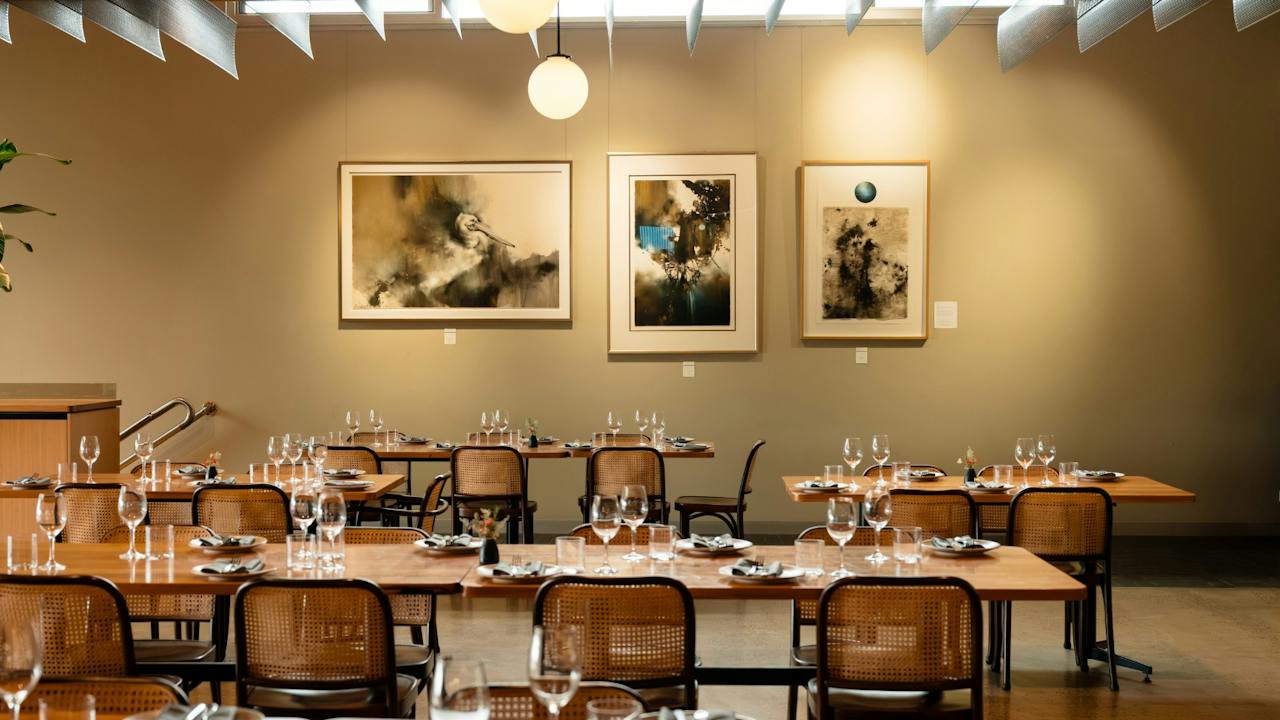
Visit the Pikes Wines Tasting Room and SLATE Restaurant, which is home to an exclusive and continuous display of artwork by acclaimed South Australian artist, Jen McDonald.
Jen creates genuinely soulful works that, as a result of the unique layering technique, are not simply visually captivating, but also intriguing and multifaceted.
With over a dozen works available at any time, the space provides the opportunity to take in the art at your leisure, with a glass of wine in hand of course!
All pieces are available for purchase and our friendly staff will be more than happy to assist you if you find a piece you'd like to take home.
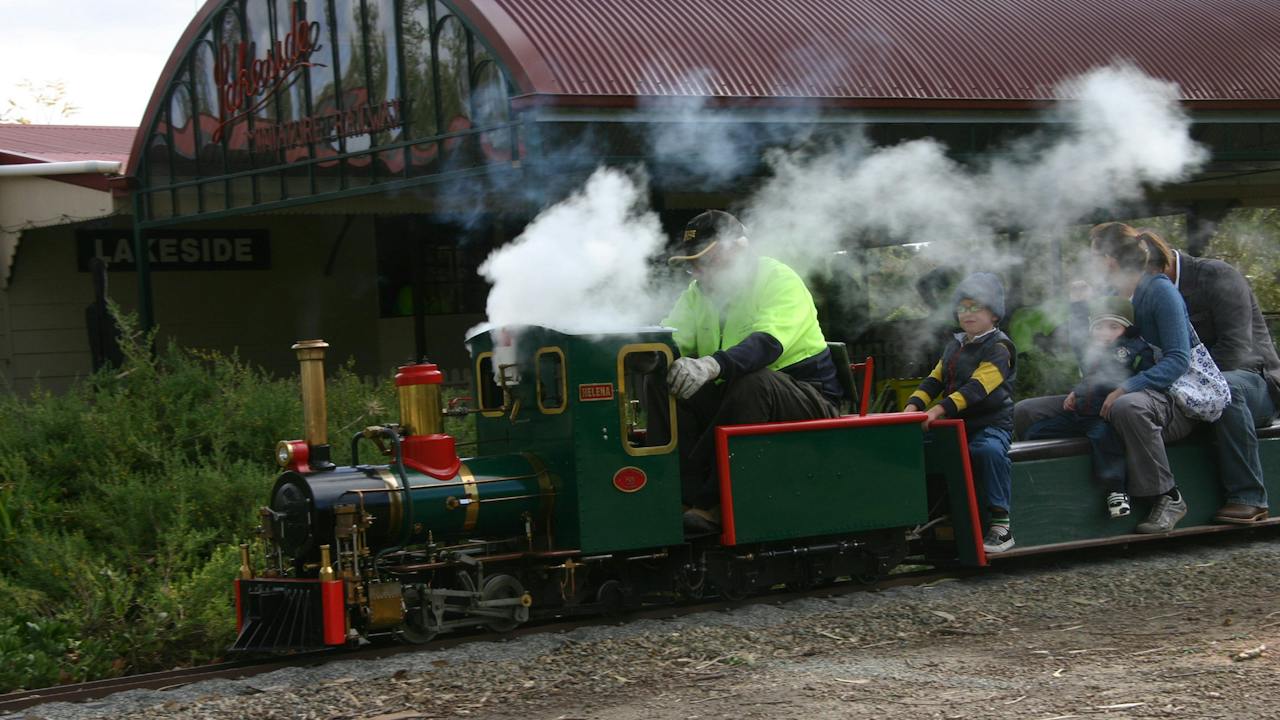
Trains operate every second and fourth weekend of each month only on Sunday 1.30 to 4.30 pm.
Clare Valley Model Engineers is more than just model trains. They facilitate landscaping and maintenance of the surrounding gardens within Melrose Park, maintain the track and track infrastructure, and continually build its facilities, including train storage and workshops.
The Clare Valley Model Engineers have a railway with over one kilometre of track that features several bridges and a tunnel in a 10-hectare park. The park includes a large lake, playground, BMX bike track, and walking paths.
Take a ride on the train or enjoy the surroundings. Check out their website for all dates and times. They are open most long weekends.
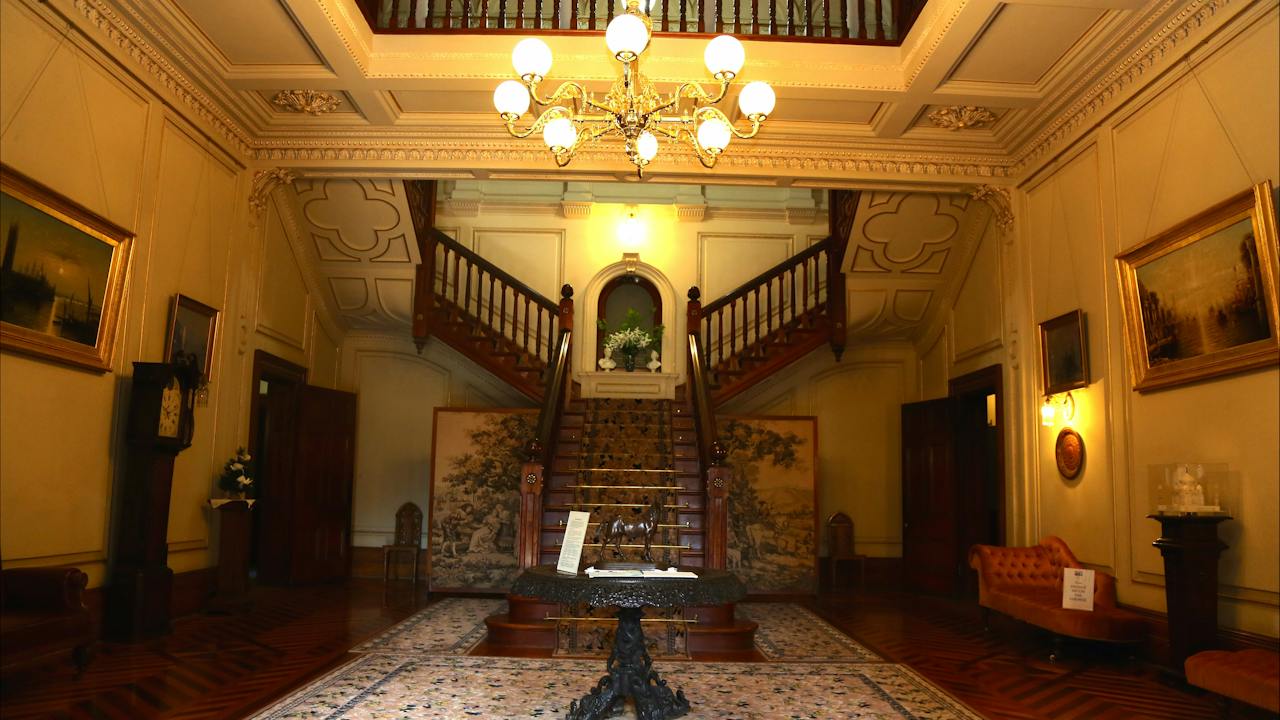
Martindale Hall is a Georgian style with Italianate influenced sandstone mansion which has significant heritage value in South Australia. Built in 1879 - 1880 for Edmund Bowman Junior at a cost of 30,000 pounds it has some 32 rooms and boasts a large cellar of some seven rooms.
To visit Martindale Hall today is a unique experience of a living museum, a step back in time to the days of gracious living on a large pastoral estate late in the 1800's to early 1900's. Where a rumoured 14 servants, four of which lived in the hall and on call 24 hours a day looked after the needs of two people, such was the extravagant upper class lifestyle of the wealthy pastoralist.
Your hosts Sharon and Michael Morris welcome you to wander the hall and enjoy its remarkable history and grandeur.
Group bookings are welcome.
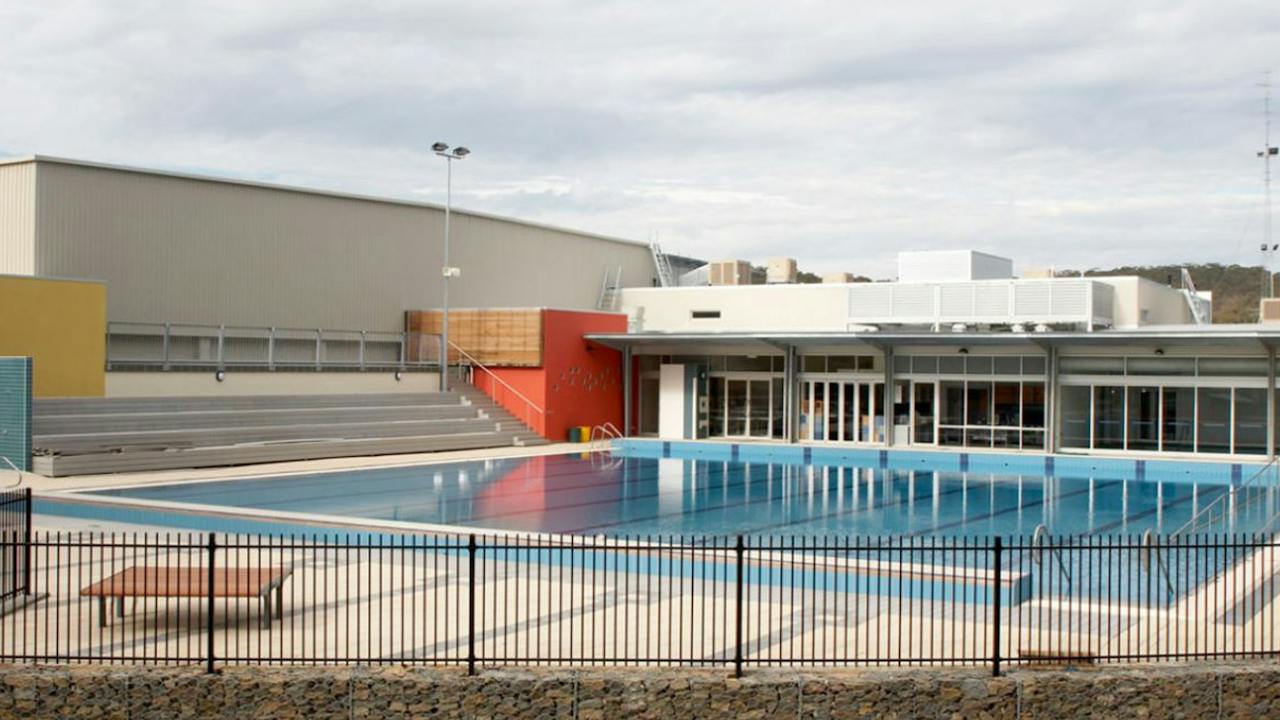
The Valleys Lifestyle Centre is a vibrant aquatic, health, fitness and community Centre, based at the sporting precinct of Clare.
Memberships and casual admission options available.
Features of the facility include a 25-metre 7 lane outdoor swimming pool, Multi-use program/toddler pool, hydrotherapy pool, fitness facility, group fitness glasses, recreational sporting stadium, play club, and café.
Visit their website for up to date details, availability, events and pricing.
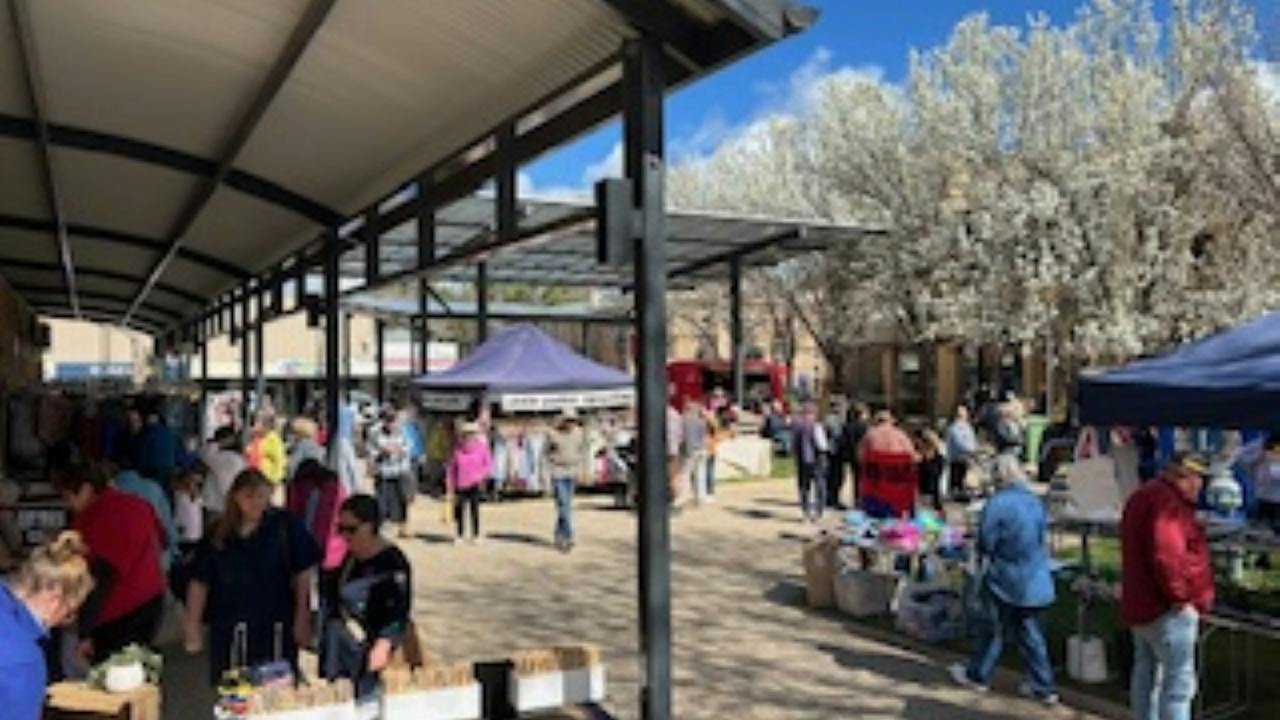
Clare Show Markets are a volunteer run Market which is held on the second Saturday of most months. Proceeds from the Market go towards the community's Clare Show Society.
They welcome many different stall holders from the Mid North, Yorke Peninsula, Adelaide Hills and other areas who provide a wonderfully eclectic collection of products.
Every month, they have street food, we support Lions with their fundraising BBQ, plants, leather products, Coffee and Cakes, Jewellery, candles, quality produce, handmade chocolates, local authors, gift ware, artists, handmade knits, arts and crafts, homewares, local honey, cosmetics plus more...
The markets also host local buskers and musicians who bring life and energy to their market.
The Clare Regional History Group was formed in 1984 as a response to a community need for a Collection to house written and photographic materials relevant to Clare and the surrounding area.
Since then through fundraising, book sales and Grants a range of equipment and software have been purchased to help ensure that written and pictorial history can be preserved and made
readily accessible to locals and visitors.
The Collection is one of the largest in rural South Australia with an extensive array of resources, such as The Northern Argus from 1869 - 2020, Cemetery Index of all known burials in the vicinity of Clare, including photos, Church, School and Council records, Indexes to Births, Marriages and Deaths for Clare District from the mid 1850s, plus an extensive library of books about Clare and the region including family and district histories.
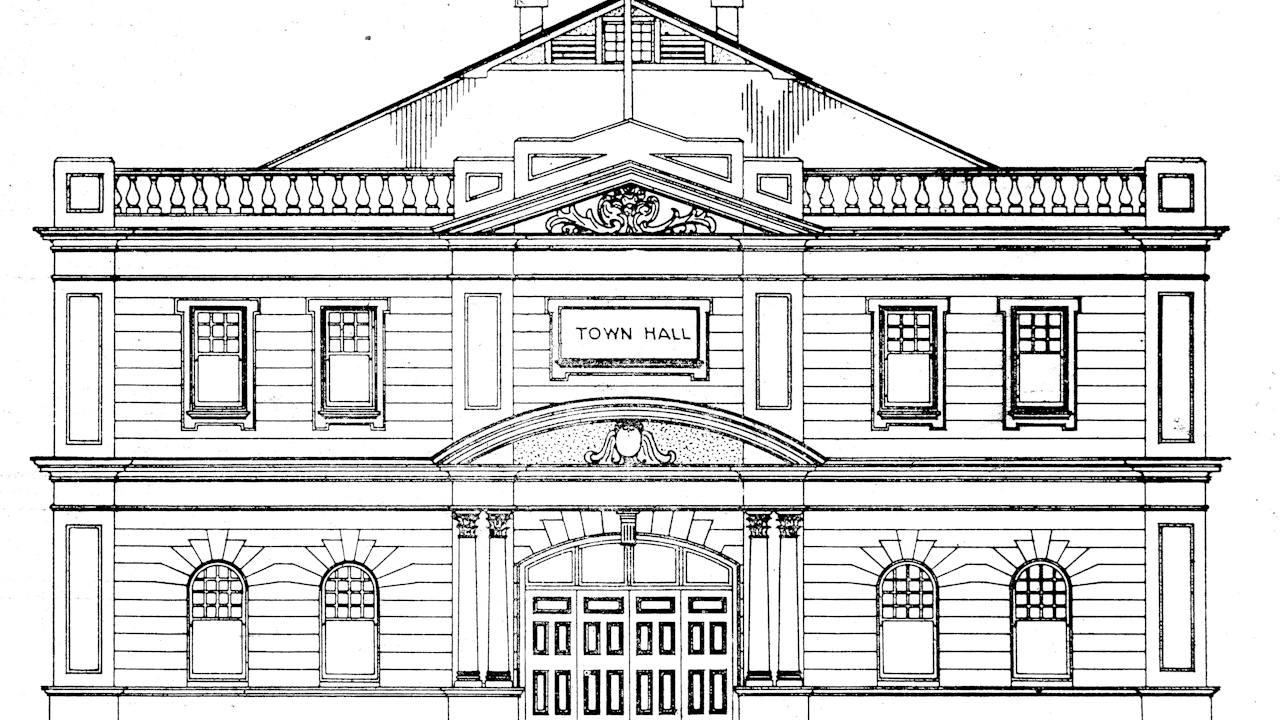
The Collection is housed upstairs in the Clare Town Hall in the Main Street and is open each Friday from 1.00pm - 4.00pm and some Saturday mornings. Closed mid December through to end of January. We will try to accommodate requests to open especially for you - with a cost of $30 opening fee.
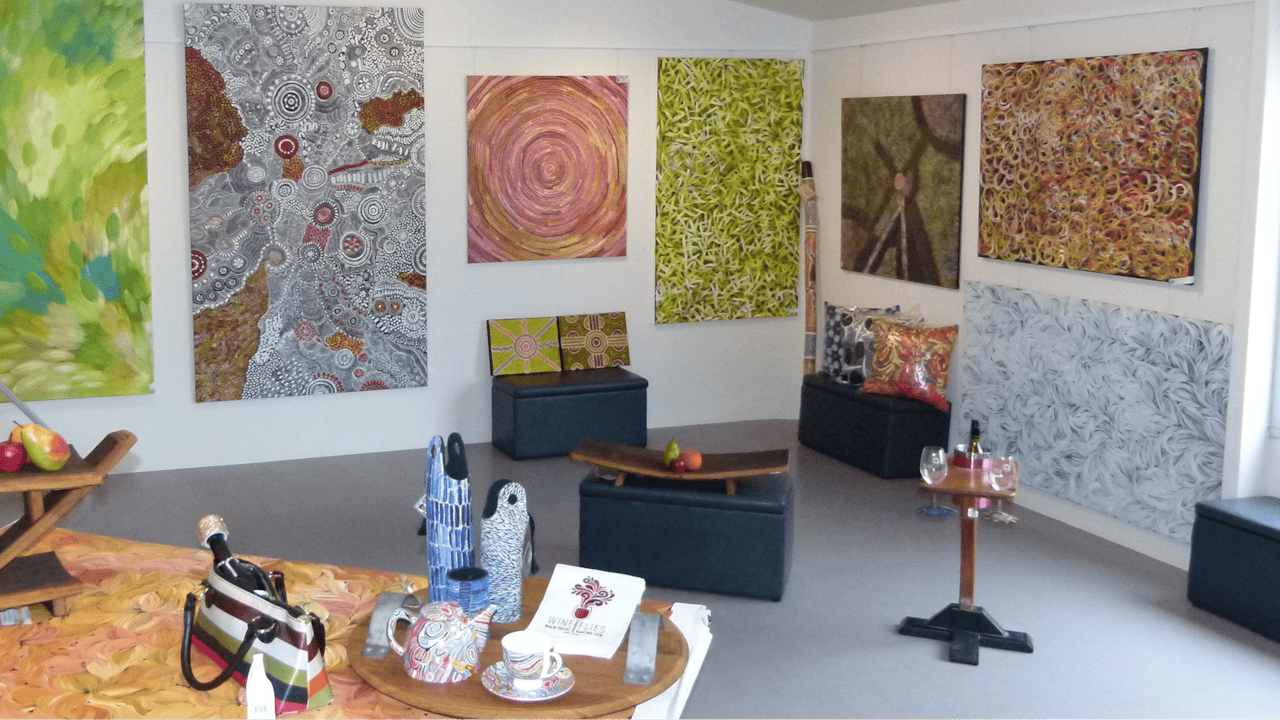
With Clare's unique range of art, the Clare Valley Art Gallery has an extensive range of contemporary Utopian Indigenous Art. With regular visiting artists, visitors can experience first-hand how these amazing pieces are created. Their curator will explain the meaning behind the art and how the style has developed.
The Gallery also sells Australian giftware, including fun gifts for wine lovers, such as insulated ladies' clutches and jewellery, cheese boards made from local wine barrels, and Clare Valley-branded souvenirs.
Established in 1841, Bungaree Station became the headquarters of one of Australia's most successful sheep flocks, at a time when the country was said to ride "on the sheep's back".
Bungaree became a small village with its beautiful sandstone Woolshed, Shearers Quarters, Stableyard, Station Store, Managers House, staff cottages and even the District Council Chambers and a Church.
It is still a working farm, run by the 4th, 5th, and 6th generations of the Hawker family today.
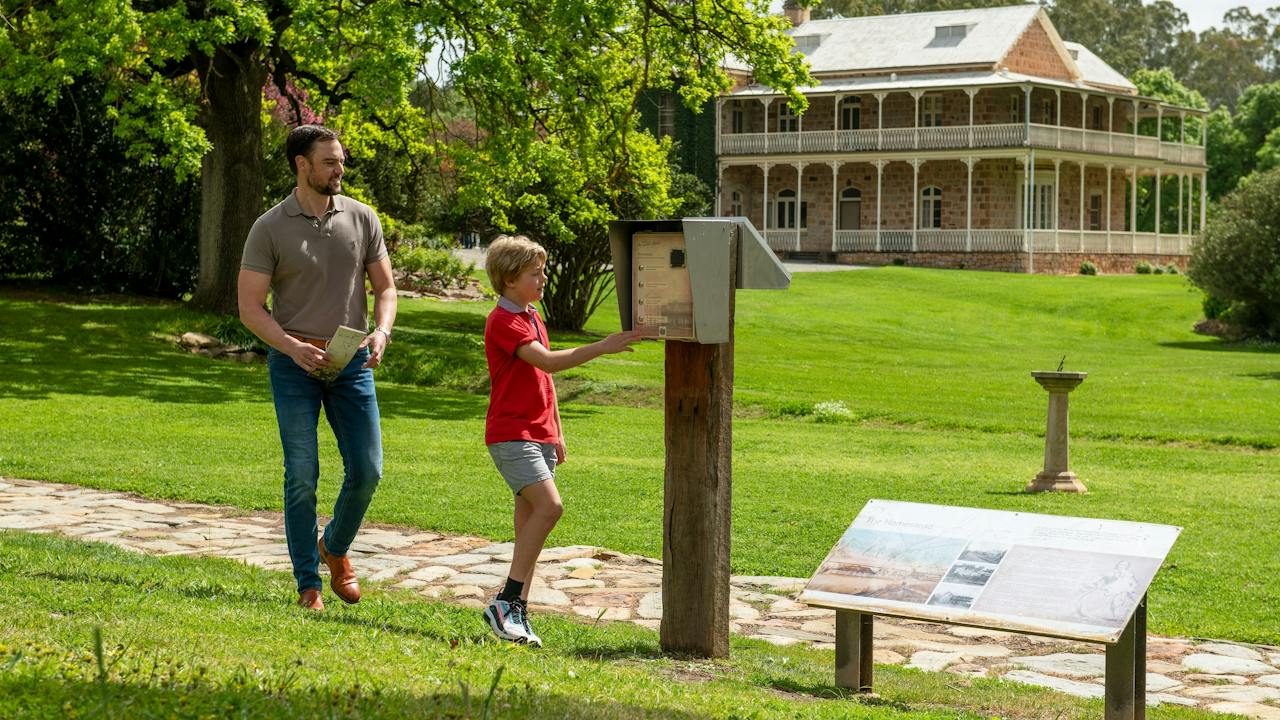
Guests can embark on self-guided tours of historic Bungaree Station, providing visitors with an authentic insight into Australia's pioneering past. The self-guided tour of the historic station complex is an interactive experience for visitors, comprising of a series of audioposts, signs and displays. Each audiopost also features stories suitable for children, who will enjoy exploring the wide open spaces. Sites on the tour include the Station Store, Woolshed, Church, Stableyard and Homestead Gardens. Vintage tools, equipment and other artefacts from throughout Bungaree's 183 years of history are also displayed.
Groups are welcome by prior appointment and discounts are available for groups of 20 or more. Accommodation is also available for overnight guests.