Come for the day or come for a week!
Whether you're passing through Moura or wanting to stop for a rest - the Dawson River Rest area has you covered! Located 7 km west of town, free camping grounds with 7 nights max stay with lovely lawn for the afternoon picnic.
Featuring large, covered wood barbecue areas with clean facilities, a boat ramp, toilets and hot showers and an attractive new play area for the little ones to keep them entertained.
The Banana Shire Regional Art Gallery showcases a diverse range of exhibitions from across the region, including touring shows, works by local artists, and pieces from the Banana Shire Council Collection. Entry is free, and the gallery is open to the public on weekdays and selected weekends. With regular exhibition changes, there is always something new to discover.
The Banana Shire Council Art Collection features a variety of mediums, including pottery, printmaking, oil painting, pastel drawings, and fibre works. The collection represents a mix of historical and contemporary local artists, as well as nationally recognised names such as Lionel and Norman Lindsay, John Shirlow, and Ron McBurnie. These works offer artistic reflections on the lives, landscapes, and industries of the region, alongside themes of community and culture. At the heart of the collection is an extensive selection of pen and ink drawings, copper plate etchings, watercolours, and pencil works by renowned local artist Ruby Campbell.
The collection has been built through acquisition prizes at the annual Brigalow Arts Festival and generous donations from art enthusiasts across the Shire. With its varied displays, the Banana Shire Regional Art Gallery promises an inspiring experience for every art lover.
Located 54km from Taroom on Theodore Road (Leichhardt Highway), Glebe Weir is pet-friendly and offers 20 unpowered sites and 4 powered sites. The camping area is grassy and slopes gently towards the water's edge of the Dawson River.
Spacious and level and mainly grass with plenty of shady and sunny spots. Enjoy the Dawson River from the banks, or in your tinny. This spot is guaranteed to impress!
Facilities available include toilets, showers, barbecues, picnic tables and fires allowed in built fireplaces.
No bookings required for camping. Please contact Banana Shire Council for the current fees. (There are envelopes supplied to place your booking money and details into, before placing in the secure locked box for payment).
Greycliffe Homestead was originally built in the 1870s and constructed of slabs cut with adze and a pitsaw, rafters were crafted from round bush timber and it featured a shingle roof.
The homestead was owned by the Nott Family, who, whilst residing in the home along with their seven children, renovated it in the 1920s and the shingled roof replaced by a pyramid shaped iron one.
The Greycliffe Homestead was in the Nott family for 100 years, but after the last of the Notts died in 1974, it was apparent that the old homestead could not be sustained in its current location. In 1979, it was relocated by the Banana Shire Historical Society (in two sections) to where it now resides, some 37 kilometres away on Gladstone Road in Biloela.
Greycliffe has been listed by the National Trust of Queensland as an essential element of the National Estate, worthy of preservation at all costs!
As well as the homestead, there is a blacksmith shop, slab kitchen and a shed housing the bullock dray, tip dray.
Open by appointment.
The Spirit of the Land Mural is an extraordinary dedication to the history of the land.
Coating the cylindrical exterior of one of the town's water reservoirs, the large scale artwork seamlessly pieces together the stories of the surrounding country, from its pre-historic beginnings to early 20th Century times.
Told through the eyes of two women from vastly different cultural perspectives, Bindi Waugh and Jo Lawrence, the mural marks the deep connection we each share with land and how it shapes our cultures and customs and brings meaning to our lives.
The mural is 100 metres round, and the stories unfold through a series of plaques that line the path.
Take a moment to wander through the echoes of yesteryear as you meander amongst the timeless treasures of vintage machinery, collectables, and memorabilia nestled within the charming buildings, sheds, and grounds of the Queensland Heritage Park Complex in Biloela, Central Queensland.
You will be enchanted by the artistry of meticulously crafted machines, lovingly preserved and proudly displayed, alongside cherished photographs, historical artifacts, and heartfelt stories that celebrate the legacy of the early pioneers and families of the Callide and Dawson Valleys.
When you step into the Queensland Heritage Park, you may find yourself inspired by the remarkable dedication of a community that runs this incredible complex entirely through the efforts of volunteers. The Callide Dawson Machinery Preservation Club, established in 1996, is a passionate group of around 50 individuals from Central Queensland who are united in their mission to preserve and restore vintage machinery, historical artifacts, and cherished memorabilia.
Taking the reins of the Queensland Heritage Park in late 2006, the Club's members have poured their heart and soul into crafting an exhibit that invites visitors to journey back in time, reminding us all of the beauty and significance of our shared history.
Biloela Golf Club delivers a relaxed and rewarding country golf experience, combining a welcoming atmosphere with a beautifully maintained course full of charm. With natural fairways and scenic surrounds, it's perfect for both social and serious golfers.
In 2021, the club proudly hosted the Outback Queensland Masters, highlighting Biloela's warm hospitality, strong community spirit, and the dedication of its volunteers. The event drew visitors from across the country and showcased the club as a standout regional destination.
The course layout caters to all skill levels, offering enough variety to keep things interesting while maintaining the easygoing pace typical of outback golf. Surrounded by open landscapes, local wildlife, and big Queensland skies, it's the kind of place where you can truly unwind and enjoy each shot.
After your round, the clubhouse invites players to relax and connect over a drink or meal, often with friendly locals happy to share a story or two. With regular competitions, social events, and a vibrant community vibe, visitors are always welcome to join in.
Whether you're road-tripping through Queensland or planning a golf getaway, Biloela Golf Club offers more than a round of golf — it offers genuine country hospitality and memories you'll treasure.
Callide Dam is located 12kms from Biloela via sealed road and 124kms south-west of Gladstone via the Dawson Highway.
While compact, the lake provides visitors with rewarding fishing - especially for golden perch (yellow belly), saratoga, barramundi, eel-tailed catfish, sleepy cod and silver perch. Redclaw is abundant and it's well worth placing (tagged) traps for a catch of the tasty crayfish. Anglers report good success from bank fishing though the boat ramps make this an ideal spot for to launch a boat and follow the fish with a sounder.
The picnic and recreation area has been upgraded over the last few years with new picnic shelters, amenities block, free barbecues, a corporate shelter and playground for the kids. There is plenty of grass for the kids to run around on and shady areas to spread out a blanket to relax.
Located 18 kms from the heart of Biloela, the views from the Callide Mine Lookout are nothing short of magnificent, view the Callide Power Stations, Lake Callide and the Callide Valley.
For access to the lookout follow Biloela Callide Road and proceed past the Callide Power Stations A & B and follow the signs turning left after crossing a grid and proceed with care. The road is part bitumen and part gravel, and not suitable for caravans.
Why not pop down to Lake Callide Retreat on your way back down?
Built in 1883 by the Campbell family, Kilburnie Homestead is the birthplace of local artist Ruby Campbell. Nowadays, Kilburnie Homestead is an operational cattle station with added open days….. and perhaps a ghost or two!
Make sure you get along to one of their open days. It truly is an amazing experience. Their art exhibitions at the property change every two months and each open day has a varying theme filled with music and nostalgia.
Details about their open days will be posted on their Facebook page prior to each open event, so keep an eye on that.
Lake Pleasant offers a free camping option in Goovigen, in the Banana Shire.
This is a bush setting and all rubbish must be taken with you.
Two (2) free pet friendly camping sites are available. Seven (7) night's stay max. Bookings not required.
Water Availability: Non-potable water may be available
Cania Gorge National Park preserves a valuable remnant of the Brigalow Belt country. Along with plant communities including brigalow forest, eucalypt woodland, cypress pine woodland, dry rainforest and grassland, you'll discover the sandstone landscapes of cliffs and fern-covered pools, where you might just spot a grazing rock wallaby, sunbathing rainbow skink, a hunting lace monitor, or hear the call of the dollarbirds. The park is home to more than 90 species of bird. Brush-tailed rock wallabies and common bent-wing bats are also seen.
First Nations people have lived in Cania Gorge for at least 19,000 years. Freehand art on the sandstone walls is a reminder of their special way of life.
Eight bushwalks can lead you on adventures to monolithic overhangs, dry gullies, past cliffs into dark crevices where orchids bloom, to lush fern covered pools and past towering eucalypts and other native fauna.
This is an ancient place where water is still eroding and moulding the ever-changing landscape, where rock wallabies, peregrine falcons and wedge-tailed eagles have all called their home for thousands of years.
Enjoy a truly amazing nature experience in Cania Gorge, part of Queensland's Sandstone Wilderness.
Located in Gillespie Street, the Moura Miners Memorial was established in November 2018 by the Moura Community Progress Association Inc, along with support from Anglo American, Mitsui Coal, Banana Shire Council and the Queensland Government.
Mineworkers from a range of unions including the CFMEU, AMWU and the ETU have all contributed to the establishment of the monument. BHP has also contributed to the memorial.
The memorial is a solemn reminder for the mining industry of the lessons from the past. It will now remain a place of reflection for families and others to commemorate and honour those who made the ultimate sacrifice for 'doing their jobs'.
The newly built Moura Museum is a tribute to the town’s rich history and culture.
It features a series of rooms, each dedicated to an important piece of Moura’s history and culture which will have television displays and information panels retelling the stories.
The rooms include:
First Nations Room
Pioneers Room
Moura Township.
Farming Room
Water Room
Industries Room
Coal Rooms: Divided into sections for open-cut and underground mining, these rooms delve into the history and significance of the coal industry.
Geology Room
Coal Shovelling Room
Mitsui Room: This room, dedicated to Mitsui, part-owners of the mine, will display artifacts and gifts, celebrating their involvement in the community.
The museum includes a Theatre Room where visitors can watch films about the mining disasters.
A standout feature of the museum is an Underground Man Transporter, historically used to transport miners underground. This remarkable piece was restored by Moura Community Progress Inc., showcasing the dedication to preserving local history. A Roof Bolting machine used in underground mines will also be displayed in this room.
Extended weekend hours during tourist season (May to October).
Planning to come through Moura in your travels? Why not grab a cuppa, take a break and check out the Lion's Park.
Featuring several covered barbecue areas and plenty of sheltered picnic tables. The park also has clean toilets and a water bubbler.
There is a children's playground featuring swings for the bigger kids, and also a flying fox that will keep the kids entertained for hours.
Monthly Markets are hosted by the Moura Lion's Club at the Lion's park on Sunday's.
A short drive from Moura provides travellers and locals with an incredible view of the Dawson mine, a large open-cut metallurgical, and export thermal mine (a fancy name for a coal mine). The mine is located at the Southern End of the Bowen basin and exports a whopping average of about 4 million tonnes of coal each year. From the lookout, you can watch the operation of the coal mine, the monster trucks, excavators, draglines, face shovels, loaders and so much more work non-stop to produce and export coal.
Whilst the view and enormity of the mine are absolutely mind-blowing, the history tells a more heartbreaking tale.
Over the lifespan of the Dawson mine, a total of 36 lives have been lost from three separate incidents. The first occurrence in 1975 saw 13 miners die, the second in 1986 saw 12 miners lose their lives, and the last tragedy, occurring in 1994, claimed the lives of 11 miners. Over the course of this mine's lifespan, some of these tragic events lead to abandoning the recovery attempts for the bodies and the mine being sealed at the surface.
Getting there: From Moura, heading Northeast along the Dawson Highway towards the township of Banana, take a right at Three Chain Road, then follow the signs to the Viewing Platform.
Lake Cania is located just north of Cania Gorge National Park and is a favourite spot for camping, boating, fishing and outdoor adventures. Set on Three Moon Creek, a tributary of the Burnett River, the lake holds an impressive 88,500 megalitres of water and is formed by an earth and rockfill dam rising more than 44 metres high.
Whether you're casting a line, launching a boat or settling in for a picnic, there's plenty to keep the whole family entertained. Facilities include a boat ramp, picnic areas, public amenities, a kiosk, and camping and caravan parks nearby.
Keen anglers are well catered for, with Lake Cania renowned for its saratoga fishing. Other species found in the lake include bass, golden perch, silver perch, eel-tailed catfish, spangled perch, eel and snub-nosed garfish.
Bring the boat, pack the fishing gear and settle in. This is the kind of place where a quick stop can easily turn into a full day on the water.
The Monto Museum of Art (MMOA) works in the realm of establish a place-based art movement. It is a independent community run arts space in regional Central Queensland which holds a collection of 3,000 works by Monto-born, and nationally significant artist Gil Jamieson. A major work held in the MMOA is Gil Jamieson 21 meter Jay Creek panorama painted on location west of Alice Springs in 1973. The MMOA two galleries displays storytelling art works boldly defining the Australian landscape, depicting bush mysticism, rural life, industry and history.
Situated inland from coastal Queensland along the Great Australian Way tourism corridor, the town of Monto is a favoured stop for visitors.
By integrating storytelling with the arts, they create a unique visitor experience, drive social change and create opportunities for both arts and business. Their long-term goal of establishing a high-quality arts and tourism model will enhance inland tourism and benefit the community.
Australian Animals Care & Education Inc. (AACE Inc.) is a not-for-profit organisation dedicated to the protection and enhancement of the natural environment. Founded in July 2003, AACE Inc. plays an active role in the rescue and rehabilitation of injured, ill and orphaned wildlife, as well providing ongoing support, education and assistance to its many volunteers and volunteer wildlife carers.
Currently based near Mount Larcom in Queensland with the Safe Haven project, AACE Inc. has been operating in the Central Queensland Coast region for 20 years. Initially associated with the rehabilitation of injured wildlife, AACE Inc. has facilitated native animal husbandry, managed captive breeding programs and partnered with Government authorities, universities and zoological institutions to conduct vital research for Australian wildlife, with an emphasis on threatened species.
At AACE – Safe Haven they welcome volunteers from all over the world and endeavour to pass on their knowledge of and passion for Australian wildlife.
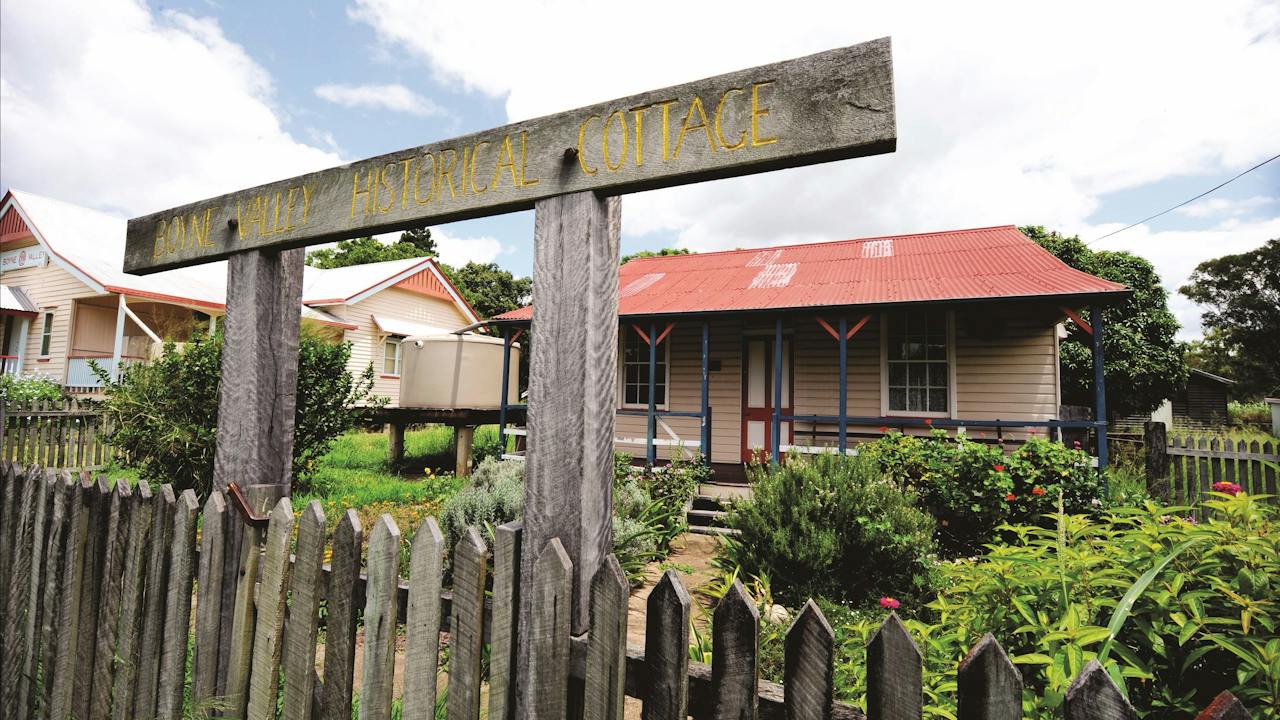
The Boyne Valley Historical Society Cottage was opened in 1988 and was formed by a group of enthusiastic volunteers with a desire to preserve the vast history of the Boyne Valley, which dates back to the 1870s, when gold and copper mining put the Valley on the map, followed by the settlers who pioneered industries such as cattle grazing, farm produce, dairying and a thriving timber and saw-milling industry, which still exists today.
Tourists who want to leave the usual tourist trail and enjoy some genuine country hospitality and historically significant sites should make sure they put the Boyne Valley on their itinerary. With the exception of Many Peaks, the four small towns of the Boyne Valley, Nagoorin, Ubobo, Builyan and Many Peaks, are dotted along the Boyne River. The scenic drive along the newly sealed road from Calliope, or across the Blackman's Gap Road (some dirt) from Miriam Vale, takes less than an hour.
The cottage houses a large display of photographs and memorabilia which convey a sense of bygone days.
Special theme days allow them to vary the displays and feature items from the collections of long-term residents and interested parties.
The prominent and distinctive peak of Mount Larcom is visible to the north-west from most points in Gladstone, with its summit 632 metres above sea level.
Matthew Flinders noted it when he explored Port Curtis, naming it after Captain Larcom under whom he had served. Because of its profile, it is often call "The Lion Mountain", resembling a lion and lioness facing each other.
The prominent landmark provides a good ascent of two hours or so. The reward is a 360-degree view of the Gladstone area, rural lands and the harbour. On a clear day, you will see reef islands to the east and Rockhampton northwards. Mt Larcom is of volcanic origin, and your walk takes you through light eucalypt forest and grass trees.
Subject to fitness, generally five hours should be allowed to complete the climb. It is a challenging walk, and best climbed in the cooler months, with an early start to capture the best views. The walk and climb is steep in places and is not recommended for younger children. Please note that there are no toilet facilities.
It is advisable to check the local weather condition on the day of your climb as the peak can be shrouded in cloud.
Step back in time at the Calliope River Historical Village, where more than 20 beautifully preserved heritage buildings bring Central Queensland's pioneering past to life. Wander through fascinating museum collections, enjoy a traditional Devonshire tea, browse the renowned country markets, or join a guided tour to discover the stories of the Port Curtis region. With school programs, weddings, events and volunteer-led experiences, the village offers something for history lovers, families and curious travellers alike.
Alkoomi Adventure Farmstay offers everyone the chance to live and participate the real day-to-day adventures encountered on an Aussie Farm.
With activities for every age, you are guaranteed to leave with a lifetime of unforgettable memories from your time on the farm.
Experience an authentic working cattle farm just 30 minutes from Rockhampton, in the Beef Capital of Australia. Alkoomi Adventure Farmstay offer good old fashioned country hospitality in a quiet and peaceful setting where you can choose to do as much or as little as you like.
Take a relaxing dip in the dam, a sunset chuckwagon ride, tell tales by the campfire and join the family for the afternoon animal feeding - a real taste of farm life!
For the adventure seekers, you can hire a motorbike or UTV (Utility Terrain Vehicle), go horse riding, or even ride a miniature pony, swim in the dam, take a bush walk exploring the farm with its 360` Views.
Boyne Burnett Inland Rail Trail is managed by a NFP incorporated association aiming to develop and maintain a rail trail along the disused rail corridor from Taragoola (near Gladstone, Central Queensland), through the Boyne Valley, on to Monto, Eidsvold, Mundubbera and south through Gayndah.
The corridor is an inland link between Gladstone and Gayndah, which has great potential to attract tourists in numbers. When fully developed it will be 270 km long, at present there is about 90 kms open in three sections.
In the south, the Burnett Bridges section has been developed from Reid's Creek to the Mundubbera Ski Area, with several bridges, magnificent river views, citrus orchards and birdlife.
The trail from Monto - Mulgildie (11 km) is currently being resurfaced and will be opened early 2026.
Further north on the other major developed section from Barrimoon to Littlemore is currently open (approximately 39km) and includes the Dawes Range tunnels. The first 600 metres from the Barrimoon Siding to the first tunnel has all abilities access including toilets at Barrimoon. There are six tunnels and great views across the valley to Kroombit Tops.
Camping is available at Mt Debateable, Barrimoon, Golembil and Builyan (bookings through Hipcamps or the box on site).
Several sets of horse yards will be installed by middle of 2026 at Golembil and Littlemore.