Western Australia trip guides
Things to do in Albany: a practical 3-day guide
Plan three days in Albany around National Anzac Centre, Torndirrup National Park, Historic Whaling Station and local events across The Great Southern.
Plan three days in Albany around National Anzac Centre, Torndirrup National Park, Historic Whaling Station and local events across The Great Southern.
Albany suits travellers looking for dramatic southern coast, Menang culture, national history and cool-climate food. This three-day framework keeps nearby experiences together and leaves enough flexibility for weather, opening hours and the events happening across The Great Southern while you are there.
Why visit Albany?
The best trip is more than a race through landmarks. Albany offers a practical base for discovering a distinctive part of Western Australia, meeting local makers and spending time in landscapes that shape the community. Choose a few priorities, book anything capacity-limited and let one local event give the visit a date-specific focus.
Before leaving, check whose Country you will visit and look for Aboriginal-owned tours, cultural centres and interpretation created with local knowledge holders. Follow access rules, stay on public routes and treat wildlife, coastlines, waterways and heritage places with care.
Top things to do in Albany
- National Anzac Centre: Allow time for the museum and surrounding heritage precinct above King George Sound.
- Torndirrup National Park: Visit The Gap and Natural Bridge only from designated paths and platforms.
- Historic Whaling Station: Explore the difficult maritime industry story and adjoining wildlife and plant collections.
- Albany waterfront: Walk the marina and town, checking for markets, festivals and seasonal whale activity.
A practical three-day Albany itinerary
Day 1: Get to know the local centre
Begin with National Anzac Centre. Allow time for the museum and surrounding heritage precinct above King George Sound. Follow with torndirrup national park, but keep the pace comfortable enough for lunch at an independent local venue. In the evening, check for a market, performance, match, exhibition or community gathering close to your accommodation.
Day 2: Make the main regional outing
Give the day to Historic Whaling Station. Explore the difficult maritime industry story and adjoining wildlife and plant collections. Confirm bookings, access, weather and travel time the night before. Pack water and sun or rain protection, and avoid attaching a fixed evening reservation to an activity that can run late.
Day 3: Choose depth over distance
Explore Albany waterfront. Walk the marina and town, checking for markets, festivals and seasonal whale activity. If time and energy remain, consider this onward idea: Denmark for forests and produce, or Porongurup National Park for granite peaks and walks. It is often better to save that extension for another night than to add hours of rushed driving.
Find events in Albany
Local events can reveal the place in a way a standard attraction cannot. Search Find What’s On for events around Albany, then check again shortly before departure as new live music, theatre, markets, sport, workshops and family activities may be added after you book.
When an event matters to the trip, confirm the date, venue, age or ticket rules and accessibility directly with the organiser. Allow realistic travel and parking time, especially for regional venues and festival periods.
When to visit Albany
The best timing changes dramatically across this large state. Southern destinations follow a temperate pattern, while the tropical north is generally easier in the dry season. Plan for heat, cyclone, fire, marine and remote-road conditions rather than relying on one statewide rule.
Getting around
A car is the practical choice for this itinerary. Confirm fuel, parking and road conditions, avoid packing too many distant stops into one day, and allow extra time for wildlife, weather and slower regional roads.
Where to go next
Denmark for forests and produce, or Porongurup National Park for granite peaks and walks.
Plan responsibly before you travel
Opening hours, tour schedules, park access, permits, road conditions and public transport can change. Start with the official Western Australia tourism destination guide, then confirm critical details with parks agencies, transport providers, visitor information centres and individual operators.
Check whether each stop meets your mobility, sensory and access requirements rather than relying on a general accessibility label. Carry reusable water, leave no rubbish, use marked tracks and avoid geotagging culturally sensitive or fragile places.
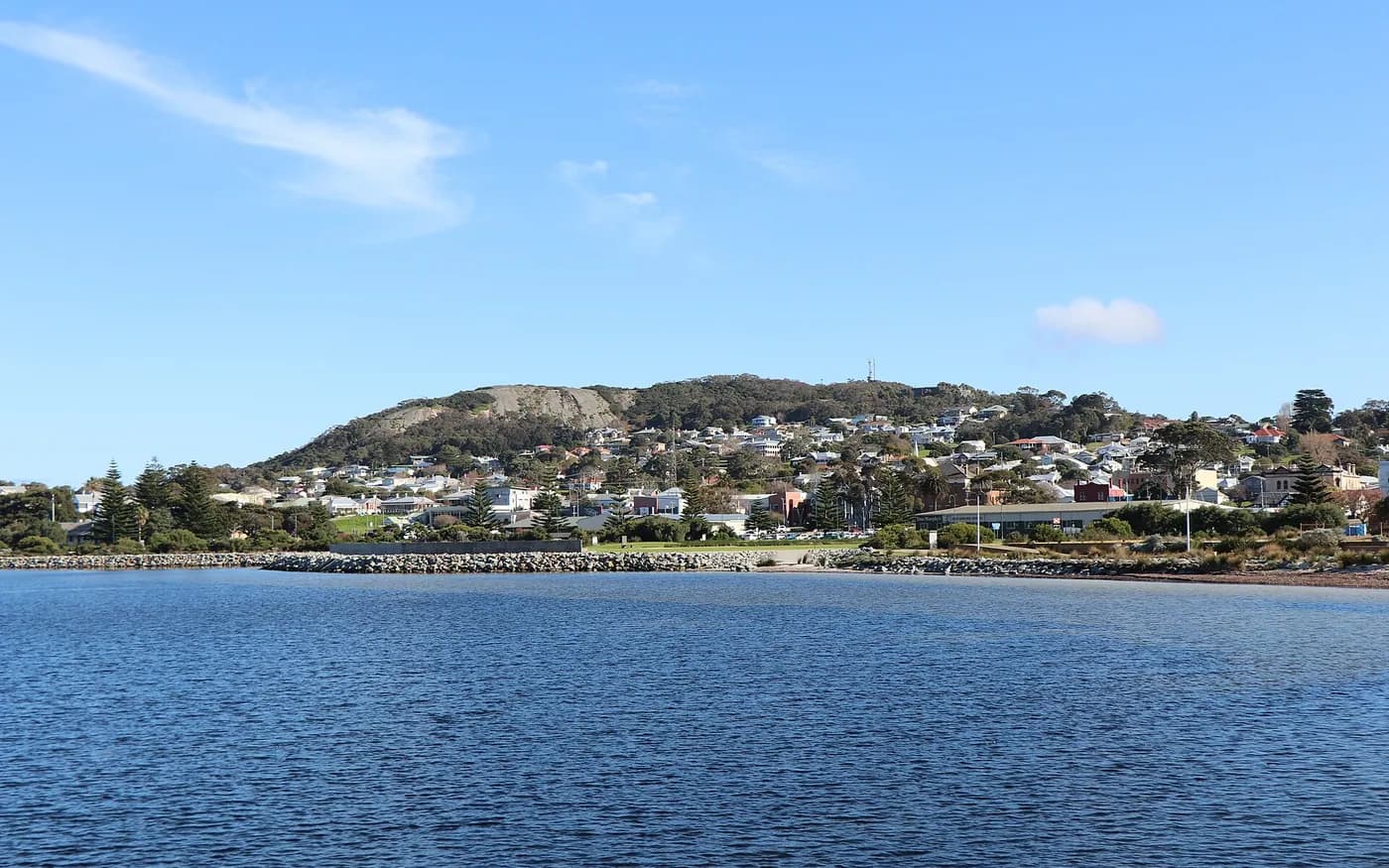
Destination photo: Consul General Gainer visits Albany, WA August 2020 (50303439758) by U.S. Consulate General Perth, Public domain. The image has been cropped for this guide.